Downtown West Palm Beach High-Rise Living Guide
June 18, 2026
June 18, 2026
If you are thinking about buying a condo downtown, you are probably weighing more than square footage and price. You want to know what daily life really feels like, what your monthly costs may look like, and which details can surprise buyers after they go under contract. This guide breaks down what to expect from high-rise living in Downtown West Palm Beach so you can compare it clearly with other options. Let’s dive in.
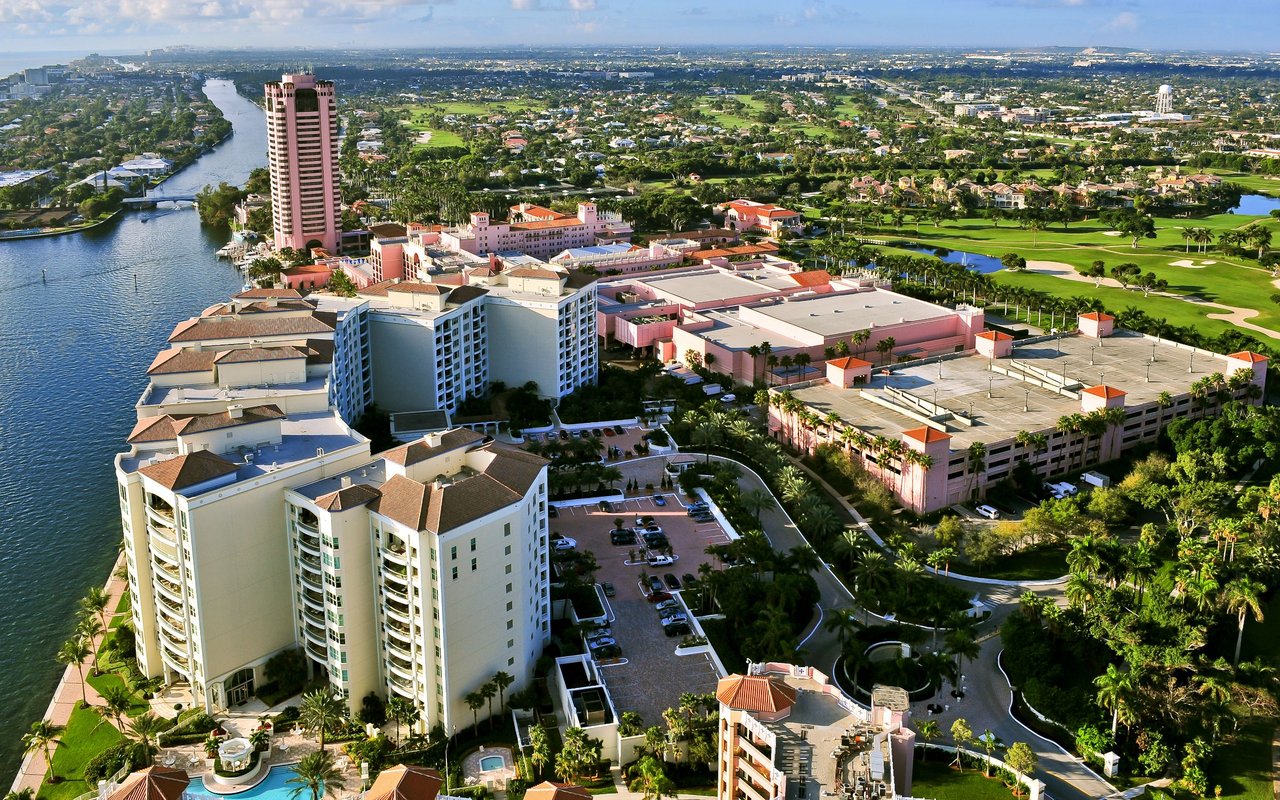
Downtown West Palm Beach offers a more compact, walkable setup than much of the surrounding area. According to the Downtown Development Authority, many major destinations are within a 10- to 20-minute walk of each other, including Clematis Street, the waterfront, CityPlace, the Brightline station, and the Palm Tran Intermodal Transit Center. For many buyers, that creates a very different day-to-day experience than a suburban neighborhood.
That convenience is a big part of the appeal. CityPlace functions as a walkable urban neighborhood with more than 60 shops and restaurants, along with regular public events. The city waterfront also adds public access to the Intracoastal Waterway and free non-commercial docks, which strengthens the live-near-it-all lifestyle many condo buyers want.
Living downtown often means you can do more without getting in the car. A quick dinner, a waterfront walk, a train ride, or an evening event may all be close by. If your goal is a more connected, lower-maintenance lifestyle, that can be a major advantage.
At the same time, lively districts come with tradeoffs. Downtown events such as Clematis by Night, the West Palm Beach GreenMarket, and 4th on Flagler bring energy to the area, but they can also affect traffic, parking patterns, and road access. If you like being near activity, that may feel like a benefit. If you prefer a quieter routine, it is worth factoring into your search.
For many buyers, the real choice is not just one condo versus another. It is downtown high-rise living versus a more traditional suburban home. These two options often serve different priorities.
A downtown condo usually supports a car-light, service-oriented lifestyle with shared amenities and less private outdoor space. A suburban home often gives you more land, more autonomy, and fewer building rules, but usually less walkability and fewer shared services. The better fit depends on how you want to live, not just what you want to own.
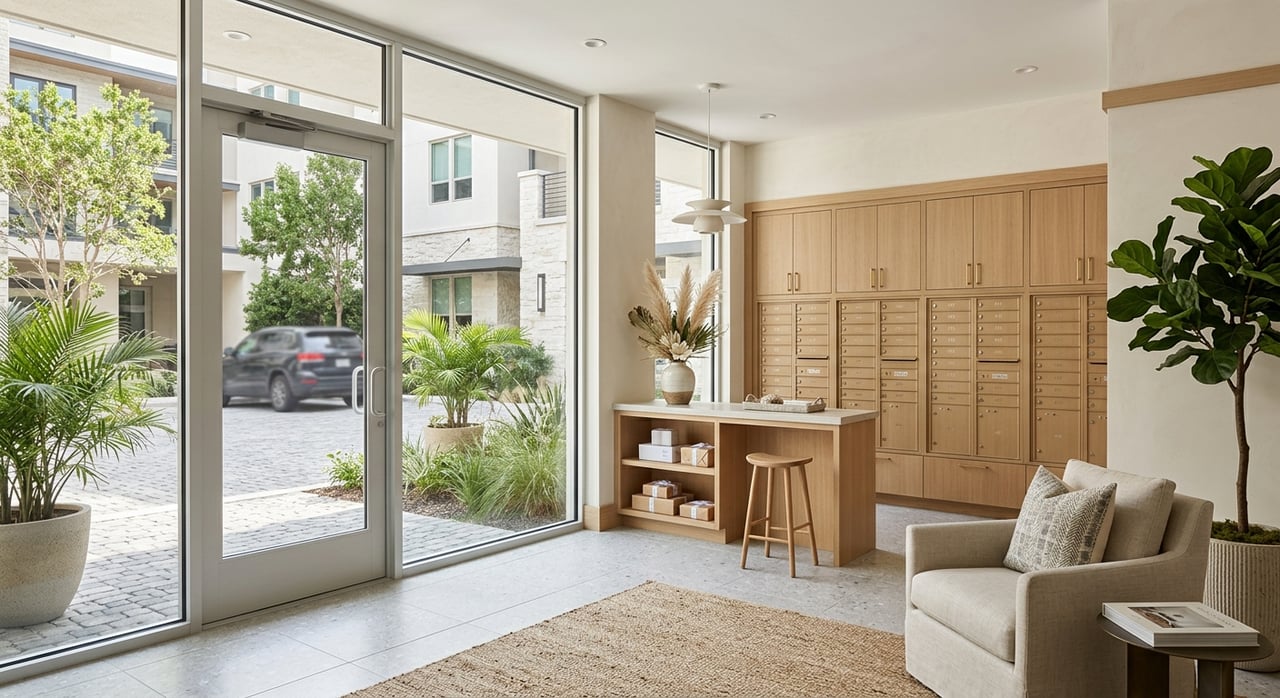
Amenity packages can be a major selling point in Downtown West Palm Beach towers. At the luxury end of the market, buildings may offer services that make daily life easier and more streamlined. These features can also shape your monthly carrying costs, so it is smart to evaluate them as part of the full value of ownership.
Common amenities in downtown and waterfront towers may include:
Not every building offers the same mix. One tower may focus on service and staffing, while another may lean more on location and a simpler amenity package. That is why side-by-side building comparisons matter.
Parking is one of the biggest details to confirm before you buy. Some buildings include assigned spaces, some offer valet, and others depend more on nearby city garages. In a downtown setting, this can have a real impact on your budget and your routine.
The City of West Palm Beach lists downtown garages at Banyan, City Center, Clematis, Evernia, and Sapodilla. Current published rates show monthly garage parking at $100 plus tax, downtown residential permits at $80 plus tax in eligible garages, and monthly lot permits at $50 plus tax. If a condo does not include parking, these city rates offer a useful budgeting baseline.
One of the most common mistakes condo buyers make is focusing too heavily on the asking price. In a high-rise, your real affordability picture is shaped by the full monthly carry, not just the mortgage. That is especially true in downtown buildings with more shared services and infrastructure.
Your monthly ownership cost may include:
HOA or condo dues are separate from your mortgage and should be included in your affordability calculations. That may sound obvious, but buyers sometimes underestimate how much these costs can shift their comfort range.
Higher dues are not automatically a red flag. In many cases, they reflect staffing, amenities, insurance structure, maintenance obligations, and reserve funding. A building with stronger reserves may look more expensive month to month, but it can reduce the odds of a surprise bill later.
Florida’s current condo safety and reserve rules matter here. Certain condo and cooperative buildings are subject to milestone inspections under Chapter 553, and many owner-controlled associations must complete a structural integrity reserve study by December 31, 2025 under Chapter 718. For budgets adopted on or after December 31, 2024, required structural reserve funding generally cannot be waived or underfunded.
That means buyers should look beyond whether dues feel high or low today. A lower monthly fee may not be a bargain if the building is underfunded or facing major future repairs. In many cases, the better question is whether the building appears financially prepared.
When you buy a condo, the association’s master policy does not replace your own insurance needs. Florida’s Chief Financial Officer explains that an HO-6 policy covers your personal property and certain building items not insured by the association’s master policy. That makes it a key piece of your ownership budget.
The same state guidance also notes that associations may assess owners when common-area damage is not fully covered or when reserves are insufficient. Florida HO-6 policies must include at least $2,000 of loss-assessment coverage. For buyers, that is another reason to review both insurance structure and association financials before making an offer.
If you have a pet, or plan to get one, do not rely on a building’s marketing language alone. Pet policies are set by the association’s written documents and rules, and they are not standardized across downtown buildings. A pet-friendly label does not always mean flexible rules.
Before you write an offer, confirm details such as:
This matters even in buildings with pet-oriented amenities such as dog walk areas. The written condo package carries more weight than promotional materials.
Downtown condo buying comes with more building-level review than many single-family purchases. That does not mean it is harder. It simply means you need the right documents early so you can make a cleaner, more informed decision.
Before making an offer, ask for:
These items help you understand not just the unit, but the building behind the unit. In a high-rise purchase, that distinction matters.
The best downtown condo is not always the one with the flashiest lobby or the lowest list price. It is the one that matches your lifestyle, your budget, and your comfort with shared building rules and costs. In Downtown West Palm Beach, that usually means balancing walkability, amenities, parking, event activity, and monthly carry.
If you are comparing several buildings, focus on the full picture. Look at location, parking setup, amenity level, building financial health, and written rules before you zero in on finishes alone. That approach can save you from expensive surprises and help you choose a condo that works well long after closing.
Whether you are buying a primary residence, seasonal condo, or investment-minded property in Palm Beach County, local guidance can make the process a lot clearer. If you want help comparing downtown condo options and understanding the real costs behind them, connect with Amie Calia for smart, efficient local guidance.
Stay up to date on the latest real estate trends.
Get assistance in determining current property value, crafting a competitive offer, writing and negotiating a contract, and much more. Let me guide you through your home-buying journey.