Seasonal And Equestrian Living In Wellington
March 12, 2026
March 12, 2026
Picture this: crisp winter mornings in the saddle, world-class shows minutes away, and a community built around horses and seasonal living. If you’re thinking about spending part of the year in Wellington or investing in an equestrian property, you want clear, local insight. In this guide, you’ll learn how the season works, which property types fit different goals, and the practical checks that help you buy with confidence. Let’s dive in.
Wellington is a global equestrian hub. The Winter Equestrian Festival and Adequan Global Dressage Festival are hosted at Wellington International, bringing top riders, owners, and trainers to town. Polo fills the calendar too, with the Palm Beach International Polo Season running winter through spring at the National Polo Center. You can preview the seasonal schedule and spectator options on the official polo season page.
These events create a strong seasonal market. Thousands of horses, competitors, and visitors arrive for multi-week schedules, and local sports tourism groups highlight the scale and economic impact of the season. That surge drives demand for short-term housing, barns, stalls, and pro-level services, as noted by Palm Beach County sports event coverage.
High season is distinct. Most major competitions and peak demand run from January through April, with concentrated show weeks in winter and early spring at Wellington International. During these months, weekly attendance and prize purses draw consistent crowds. If you plan to rent your home or stalls part-time, or you want a low-maintenance base while you show, build your strategy around this window.
Outside of peak months, many riders still train, board, and enjoy the trail network. Year-round businesses keep the equestrian economy moving, so professional barns and support services are active even when the show lights dim.
The permanent showgrounds at Wellington International anchor the community. Many buyers target properties within an easy drive or ride to the rings and vendor village. Being close simplifies daily logistics for horses, riders, and support teams.
High-level veterinary care is local. Palm Beach Equine Clinic is a full-service equine hospital and the official veterinarian for Wellington International. Access to advanced imaging, surgery, and sports medicine is a major advantage for competition stables and serious amateurs.
Wellington invests in equestrian-friendly planning. The village’s Equestrian Preserve and its Equestrian Trails Circulation Master Plan inventory bridle paths and prioritize safe connections to show venues. Many neighborhoods were designed with trail links in mind, making hacked access feasible in select areas.
You’ll find everything from boutique barns to full-service training farms. Local directories list short- and long-term stalls, full or partial board, and trainer programs in Wellington. To explore options, browse a regional boarding and training directory.
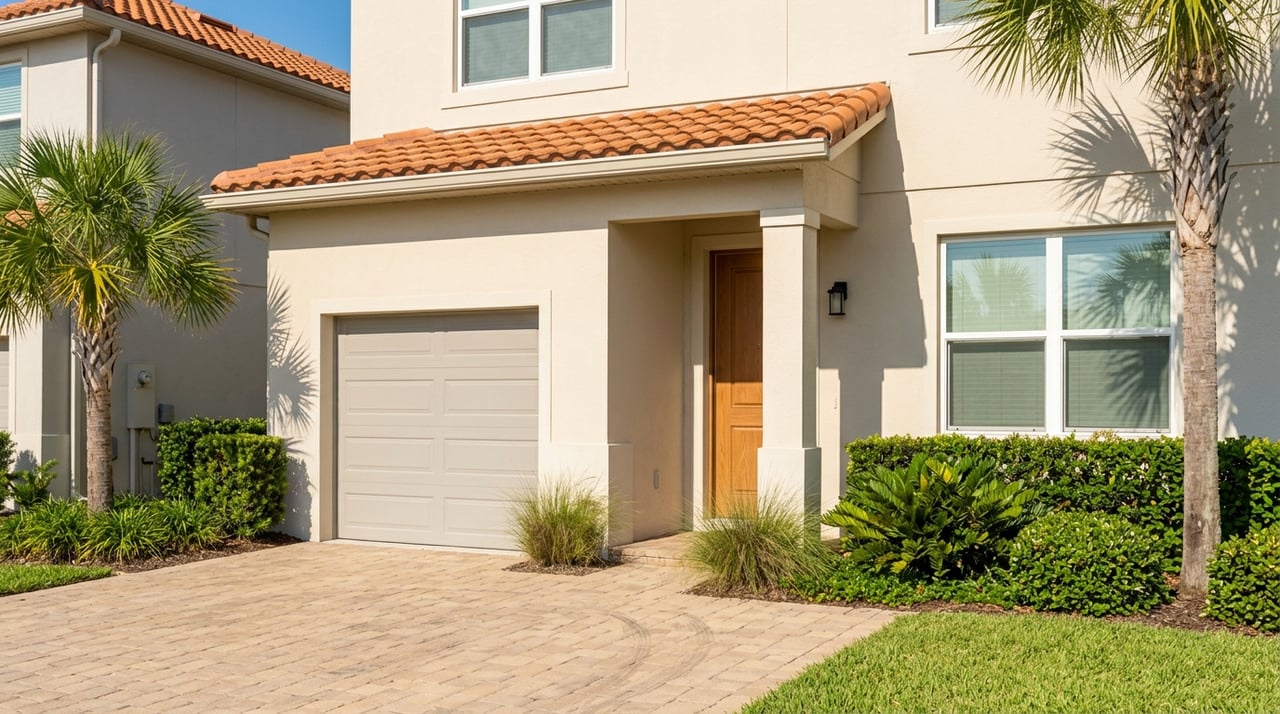
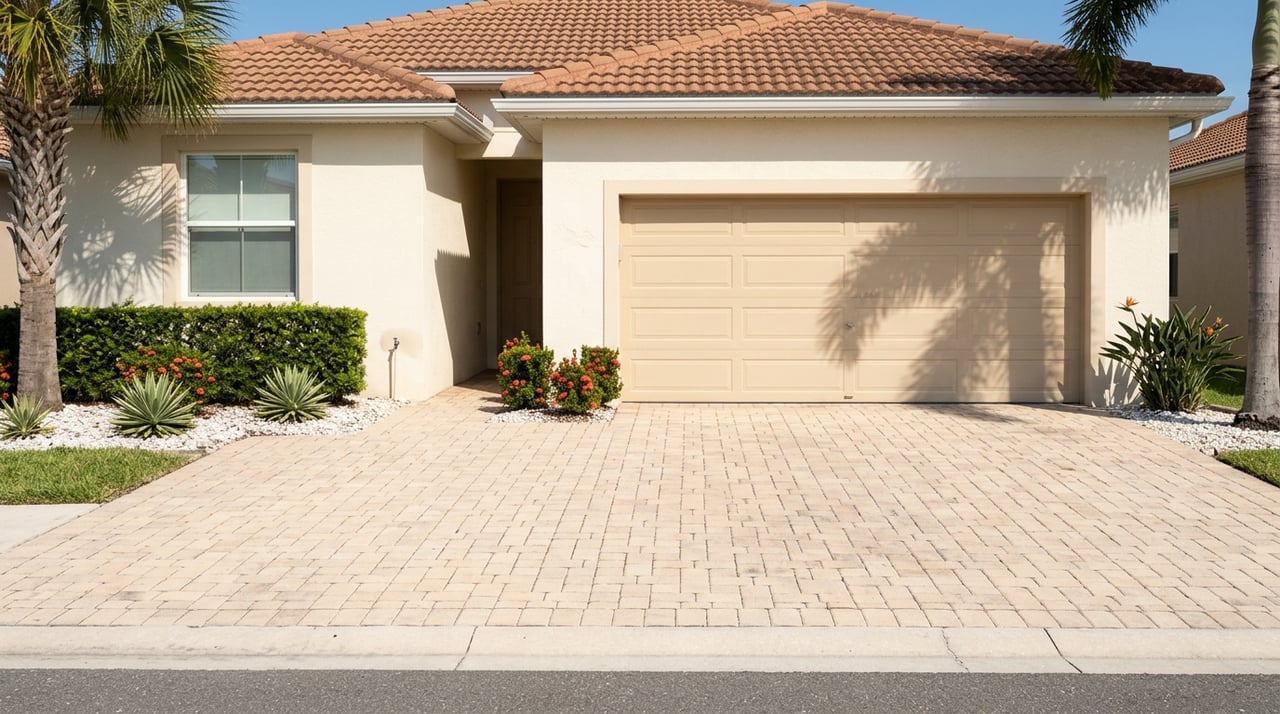
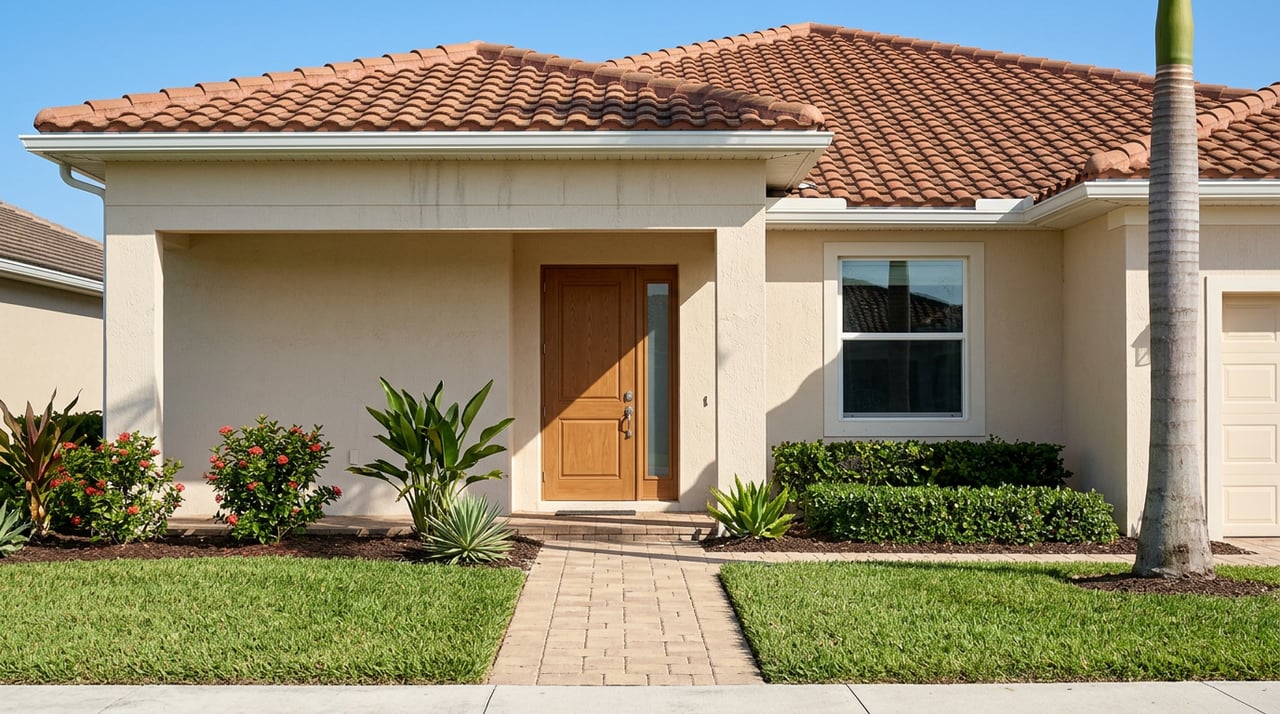
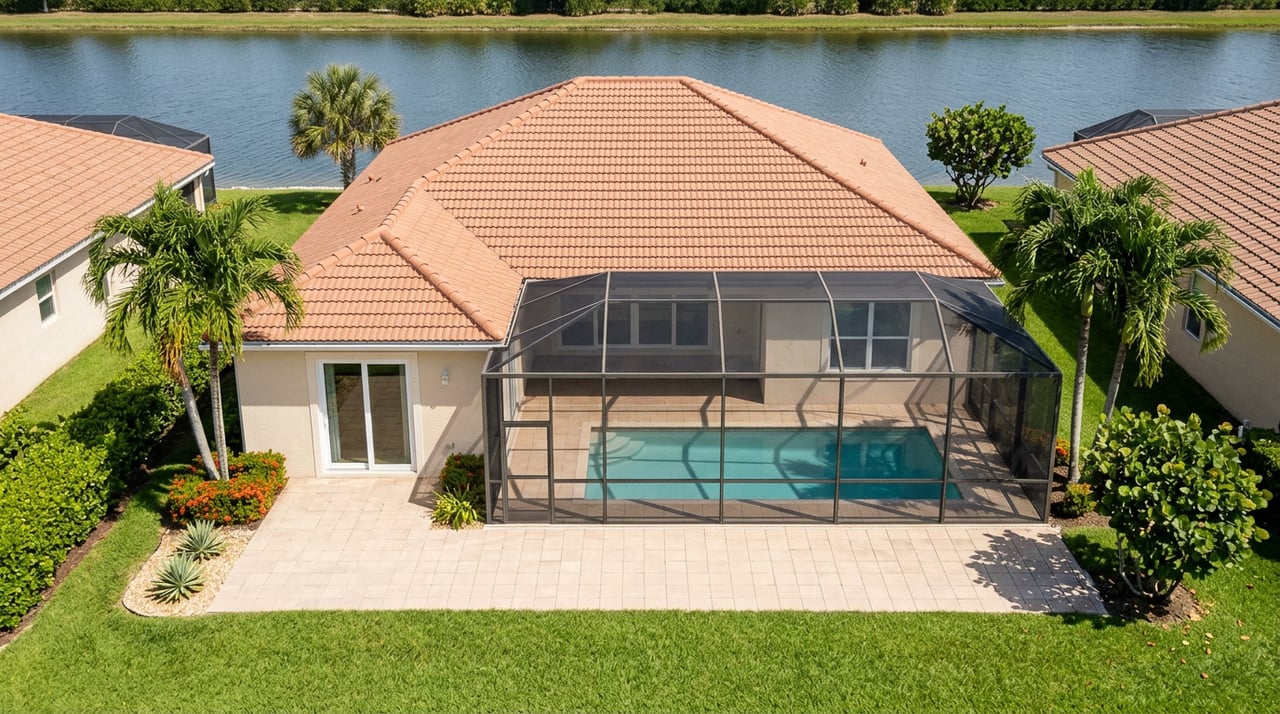
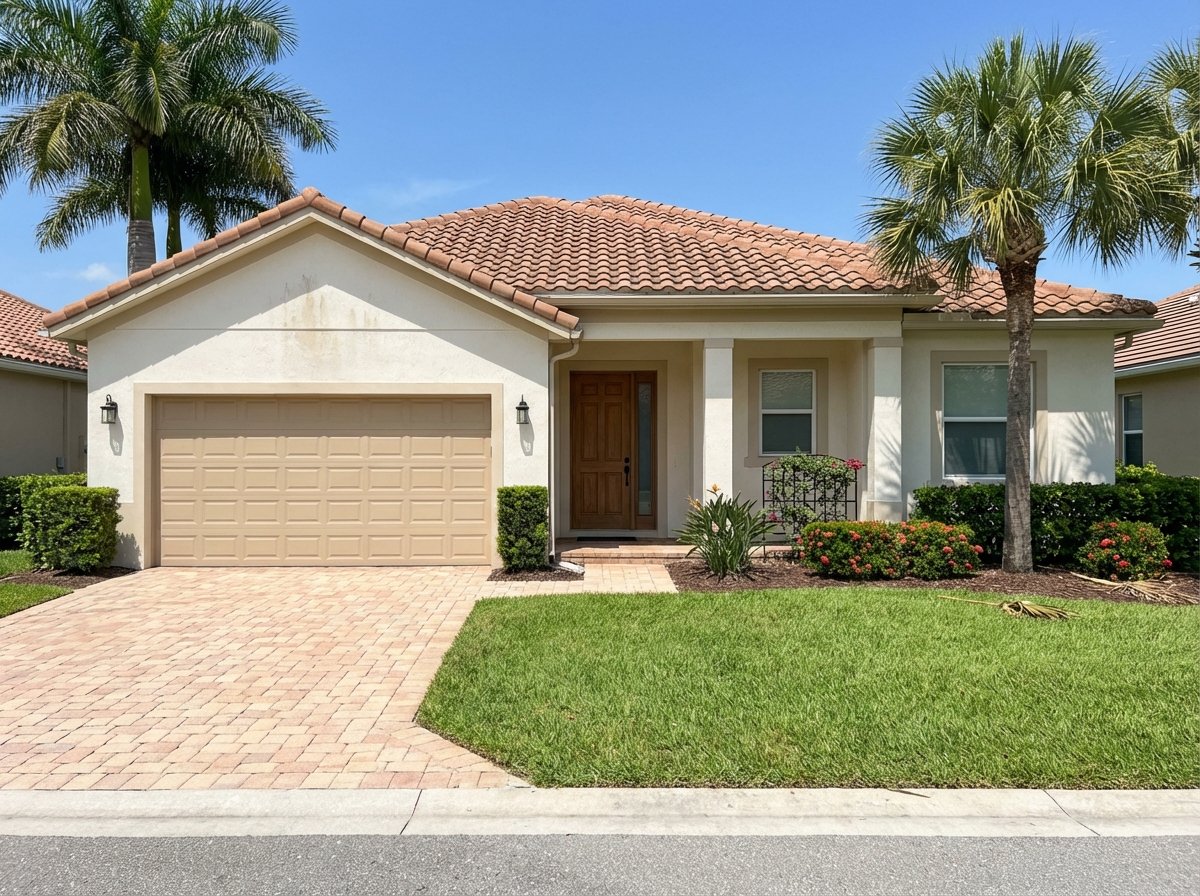
Seasonal owners often choose low-maintenance homes near the showgrounds or polo fields. These properties are easy to secure when you travel and can be attractive for seasonal rentals, subject to HOA and village rules.
On 1 to 5 acres, you’ll commonly see 2 to 10 stalls, small arenas, paddocks, and practical touches like wash racks and tack rooms. These setups fit many amateur riders and families who keep a few horses at home.
Larger acreage parcels often feature purpose-built barns, multiple paddocks, professional footing arenas, trailer hardstands, and staff quarters. Areas known for bridle paths and acreage include examples like Saddle Trail Park and Palm Beach Point. Buyers in these pockets often prioritize distance to the rings and safe crossings.
During peak show and polo weeks, short-term rates for homes and stalls can rise. If you plan to rent, confirm allowed rental lengths, HOA restrictions, village rules, and insurance endorsements before you project income. A clear calendar, written house and barn rules, and professional photos help you capture prime weeks.
Wellington pairs equestrian focus with suburban comfort. You’ll find everyday conveniences, parks, and dining close to the showgrounds and residential areas. Many owners split time between competition days and low-key South Florida living.
You deserve clear guidance and an efficient path to your goals, whether that’s a lock-and-go seasonal home or a working farm near the rings. We combine hyperlocal knowledge with practical due diligence so you buy with confidence and sell for more. If you’re listing, our full-service marketing and a straightforward 1.5% listing commission help you keep more equity without sacrificing results.
Ready to talk timing, neighborhoods, or a tailored plan for your horses and household? Connect with Amie Calia to map your next steps.
Stay up to date on the latest real estate trends.
Get assistance in determining current property value, crafting a competitive offer, writing and negotiating a contract, and much more. Let me guide you through your home-buying journey.