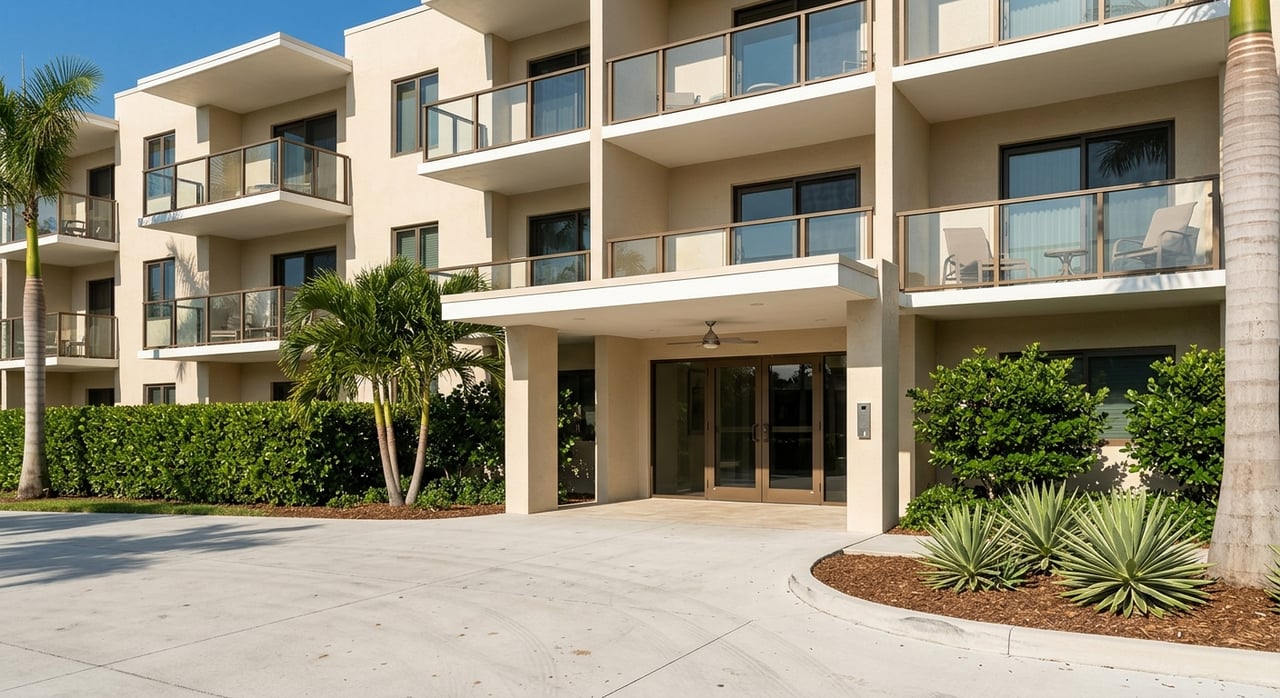
Delray Beach Condo Rental Rules Every Investor Should Know
April 16, 2026
April 16, 2026
Thinking about buying a condo in Delray Beach for rental income? The biggest mistake investors make is assuming there is one simple set of city rental rules. In reality, most condo rental restrictions come from the association, not the city, and that can change the math on your investment fast. This overview will help you understand what actually controls condo rentals in Delray Beach, what fees and taxes to watch for, and what to review before you buy. Let’s dive in.
If you are investing in a Delray Beach condo, the first thing to know is that rental rules are usually driven by the condo association’s declaration, bylaws, rules, and amendments. Under Florida condominium law, those documents carry real legal weight and are binding on owners, tenants, and invitees.
That means there is no one-size-fits-all citywide rental code for Delray Beach condos. Two buildings a few blocks apart can have very different lease rules, approval standards, and occupancy requirements. For investors, the governing documents should be part of your due diligence from day one.
The City of Delray Beach also states that landlord permit registration and renewals are no longer required as of October 1, 2023. That is helpful, but it does not override association restrictions. In most condo purchases, the association paperwork matters far more than the city.
Florida law requires disclosure of any restriction on sale, lease, transfer, or conveyance in resale materials. That is one reason experienced buyers treat condo documents as part of the underwriting package, not as paperwork to skim later.
There is another important twist for investors. Under Chapter 718, certain rental-restricting amendments only apply to owners who consented to them and to buyers who purchased after the amendment took effect.
In practical terms, that means older owners and newer buyers may not always have identical rental rights in the same community. If you are comparing current owners’ experiences to your own future use of the property, make sure you verify whether those rights actually transfer to you.
Most condo rental restrictions in Delray Beach fall into a few predictable categories. The exact rules vary by community, but these are the issues you are most likely to see.
Some associations require a minimum lease term. Florida law recognizes lease-duration restrictions as a valid category of condo regulation, so it is common to see communities limit how short a lease can be.
This is especially important if you are considering a seasonal or flexible-use investment. A condo may be rentable, but not in the way you want.
A community may cap how many times you can rent your unit during a certain period. For example, the issue may not be whether leasing is allowed, but how often.
This matters if your plan depends on multiple shorter leases each year. A building that permits leasing once annually is very different from one that allows more frequent turnover.
Many associations require tenant approval before move-in. Even in buildings that are considered rental-friendly, the process may include application packets, review by management or the board, and compliance steps before occupancy.
So when you hear that a condo allows rentals, do not stop there. You need to know how easy or difficult the approval process is in practice.
Approval costs are another area investors should review early. If the governing documents authorize a lease approval fee, Florida law caps that fee at $150 per applicant. The same law also says there is no fee for renewal of a lease or sublease with the same lessee or sublessee. You can review that in Florida Statute 718.112.
If the documents allow it, the association may also require a prospective lessee to place a security deposit of up to one month’s rent in escrow. That is not universal, but it is common enough that you should ask about it upfront.
These costs may seem manageable on their own, but they still affect your cash flow. For ROI-focused buyers, even a condo with flexible rental terms can become less attractive if the approval process is expensive or cumbersome.
Once a unit is leased, the tenant generally receives the normal use rights in the association property and common elements that are available to unit owners. The owner keeps those rights only as a guest unless the tenant waives them in writing, according to Florida condominium law.
Associations may also adopt reasonable rules to prevent both the owner and tenant from using amenities at the same time. That can be an important detail for seasonal owners who hoped to retain access during a lease term.
Florida law also allows associations to enforce violations through reasonable fines and suspension of use rights for owners, tenants, guests, or invitees who violate the declaration, bylaws, or reasonable rules. For investors, that means lease compliance is not just a tenant issue. It can affect your ownership experience too.
If your intended lease term is six months or less, taxes become part of the conversation. According to the Florida Department of Revenue local option tax guidance, Florida allows local option transient rental taxes on accommodations in condominiums rented for six months or less.
Florida’s general state sales tax rate is 6%, and Palm Beach County also imposes a 6% tourist development tax on qualifying short-term accommodations. The state sales tax guidance is also outlined by the Florida Department of Revenue sales tax resources.
For investors, the key takeaway is simple. If your strategy involves seasonal or shorter-term condo rentals, you need to underwrite those taxes from the start rather than treating them as a surprise later.
Rental rules are only part of the investment picture. Florida’s current condo safety and reserve laws can also affect your monthly carrying costs and long-term return.
Under Florida Statute 718.112, residential condominium buildings that are three habitable stories or higher are subject to structural integrity reserve study requirements, and certain existing associations controlled by unit owners on or before July 1, 2022 must complete the study by December 31, 2025.
The statute also assigns milestone inspection responsibility and related costs to the association for the portions it maintains. While every building is different, these obligations can influence assessments and overall ownership costs, especially in older condo properties.
Before you make an offer on a Delray Beach condo, review these items carefully:
The bottom line is that condo rental flexibility in Delray Beach is usually a community-by-community issue, not a citywide one. The best investment opportunities are often found by looking beyond the listing photos and into the documents that govern leasing, approval, fees, and building costs.
If you are buying in Delray Beach, Boca Raton, Boynton Beach, or nearby Palm Beach County markets, a careful review upfront can save you from a costly mismatch later. Whether you are looking for seasonal income, a longer-term hold, or a future personal-use property, the details matter.
If you want local guidance on Palm Beach County condos and a clear, efficient buying process, connect with Amie Calia for insight tailored to your goals.
Stay up to date on the latest real estate trends.




Real Estate



Get assistance in determining current property value, crafting a competitive offer, writing and negotiating a contract, and much more. Let me guide you through your home-buying journey.