Lake Worth Bungalows: What Buyers Should Know
May 21, 2026
May 21, 2026
If you have fallen for a Lake Worth bungalow, you are not alone. These homes stand out for their porches, low rooflines, and unmistakable Old Florida feel, but buying one usually means looking beyond charm and paying close attention to condition, permits, and future plans. If you are thinking about buying in Lake Worth Beach, this guide will help you understand what makes these homes special, what to inspect first, and how to plan smart before you make an offer. Let’s dive in.
Lake Worth Beach describes itself as one of South Florida’s oldest coastal planned communities, and that history shows up clearly in its housing stock. Many of the city’s bungalow-style homes were built between 1910 and 1935, often influenced by mail-order catalogs and kit-house plans using local materials.
That background helps explain why buyers are drawn to these homes today. You are often buying more than a floor plan. You are buying into a setting shaped by historic streetscapes, older lots, and a preservation framework that still affects exterior changes.
The city identifies several local historic districts, including College Park, Old Lucerne, Old Town Commercial District, Northeast Lucerne, Southeast Lucerne, and South Palm Park. If the bungalow you like sits in one of these districts, that can affect what you can change later and how those changes need to be approved.
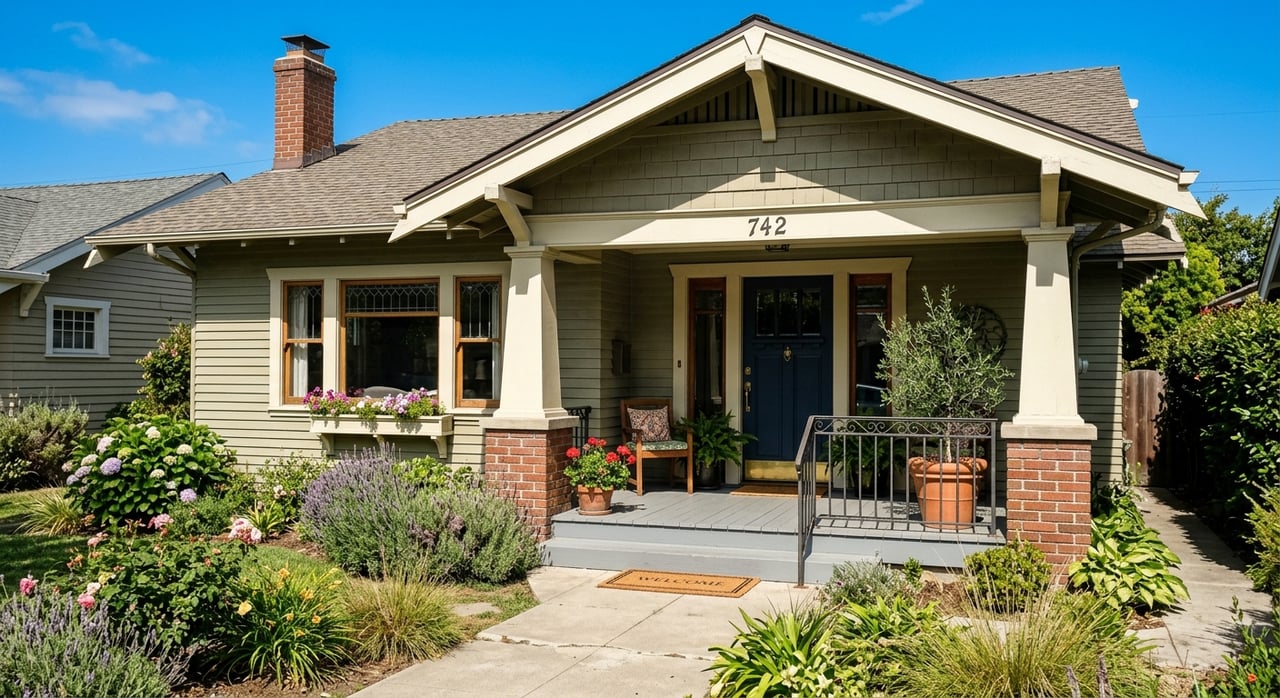
In simple terms, a bungalow is usually a compact one-story or one-and-a-half-story house with a low profile. Preservation guidance commonly describes these homes as having low-pitched gable or hip roofs, front porches, wide overhanging eaves, exposed rafters or decorative braces, and a layout with connected living spaces.
In Florida, this style made practical sense for the climate. Architecture guidance tied to Florida historic resources notes that low-pitched roofs, broad porches, and bands of windows helped these homes fit tropical conditions.
Inside, the layout may feel different from newer construction. The front door often opens right into the living area, and rooms may flow together in a more open but less segmented way than you would see in a modern home.
One important thing to know is that visible finishes may not tell the full story. Preservation sources note that bungalow-era homes can include clapboard, wood shingle, brick, concrete block, or stucco, and some homes have been altered over time.
That means the current exterior may cover older materials or reflect updates made decades after the home was built. A porch may have been changed, siding may have been added, or original details may have been removed or concealed.
This is not automatically a deal breaker. It just means you should look at the home as a mix of original character and later modifications, then decide how that fits your budget and goals.
With older bungalows, age-related wear deserves early attention. Lake Worth Beach maintenance guidance points owners to common problem areas such as rotted wood, broken or missing boards, damaged windows, worn siding or shingles, and deterioration in the roof structure, rafters, soffits, fascia, railings, screens, and trim.
For buyers, that list works as a practical first-pass checklist when touring homes. Cosmetic charm can distract from more expensive repairs, so it helps to slow down and look closely at exterior details and signs of deferred maintenance.
Here are some of the first items worth watching:
In South Florida, moisture is a major part of the story. The EPA notes that moisture control is the key to mold control, and water-damaged areas should be dried within 24 to 48 hours.
For you as a buyer, that means stains, musty odors, soft trim, peeling paint, or recent patch repairs may point to water intrusion rather than simple cosmetic aging. In a bungalow, these clues deserve extra attention because older materials can be more vulnerable after years of exposure.
If you notice signs like these, it is smart to dig deeper during inspections:
Older wood-frame homes can also be more vulnerable to termite activity. UF/IFAS says drywood termites often infest sound wood in older homes, while subterranean termites live in soil, seek moisture, and may use mud tubes to reach wood above ground.
UF/IFAS recommends annual inspections for swarmers, shed wings, mud tubes, and wood damage. As a buyer, that makes termite inspection an important step, especially if the home has visible wood elements, older framing, or signs of moisture.
A termite issue does not always mean walking away. It does mean you need a clear understanding of current activity, past treatment, and any repairs that may be needed.
This is one of the biggest things buyers miss. If a bungalow is located in a local historic district, exterior work may be subject to review by the city’s historic-preservation office.
Lake Worth Beach requires a Certificate of Appropriateness, or COA, for exterior alterations, additions, demolitions, and new construction in these settings. The city states that the COA must be approved before exterior work begins and before a building permit can be issued.
So if you are already imagining new windows, a porch redesign, an addition, or major exterior updates, confirm the property’s status early. This step can help you avoid delays, cost surprises, and design plans that do not fit local requirements.
Most Lake Worth bungalows offer charm, but many also come with a meaningful renovation component. That can include roof work, moisture repairs, termite treatment, system upgrades, or improvements tied to wind hardening.
Current cost guides are only rough benchmarks, but they can help you think in ranges. HomeAdvisor’s 2025 guides list average costs of $1,170 for roof repair, $9,543 for roof replacement, $12,137 for a bathroom remodel, $26,944 for a kitchen remodel, $1,343 for electrical panel replacement, and $300 to $2,100 for window replacement.
The key word here is average. Actual pricing can vary substantially based on the home’s condition, materials, labor, scope, and local demand.
In Florida, updates are not just about style. The My Safe Florida Home guide notes that inspections may focus on roof covering, roof deck attachment, roof-to-wall attachment, roof geometry, secondary water resistance, and opening protection.
That matters because some older homes may need upgrades that improve durability and storm readiness. The same guide also says cost estimates can vary significantly by location, materials, labor, and inflation, and it recommends getting up to three bids.
For buyers, the practical takeaway is simple: budget for both visible repairs and behind-the-scenes improvements. A pretty porch does not tell you everything about the roof system or opening protection.
Permit questions should come up early, not after closing. Lake Worth Beach says minor repairs under $1,000 may be exempt in some cases if they do not affect structural integrity, fire rating, or egress, but structural repairs, re-roofing, and most plumbing or electrical work require permits.
The city also separately lists roof and reroof applications as well as window and door applications. That is a strong sign that buyers planning these types of updates should check with the building department before assuming a project is simple.
If the home is historic, permitting may also overlap with the COA process. In many cases, buyers should expect approval steps to be part of the project timeline.
The best bungalow purchases usually start with realistic expectations. You may be buying character, location, and architectural appeal, but you also need to know which original elements are worth preserving and which systems may need practical updates.
Lake Worth Beach preservation guidance recommends repairing and maintaining historic elements first. If replacement is necessary, the city says new features should match the original as closely as possible in size, shape, scale, profile, massing, configuration, material, and operability.
That approach can help you protect the home’s look while still making it work for daily life. It also gives you a better framework for deciding where to spend money first.
If you are serious about a Lake Worth bungalow, these steps can help you move forward with more confidence:
You can also research original features through the city’s property files, which may include drawings, permit cards, appraiser records, and photos. For some buyers, that can be especially useful when deciding how much restoration or renovation makes sense.
A Lake Worth bungalow can be a rewarding purchase if you go in with clear eyes. When you understand the home’s condition, local review rules, and likely upgrade path, you are in a much better position to buy for value, not just charm.
If you are weighing a bungalow purchase in Lake Worth or preparing to sell a character home in Palm Beach County, Amie Calia can help you evaluate the property, understand the local market, and make a smart next move.
Stay up to date on the latest real estate trends.
Get assistance in determining current property value, crafting a competitive offer, writing and negotiating a contract, and much more. Let me guide you through your home-buying journey.