How To Choose A Delray Beach Condo Location
May 7, 2026
May 7, 2026
Wondering how to choose the right Delray Beach condo location? You are not alone. In Delray Beach, two condos with similar price points can offer very different day-to-day experiences depending on whether you want beach access, downtown walkability, easier commuting, or fewer parking headaches. This guide will help you compare the city’s main condo location patterns, understand the building details that matter, and narrow in on the best fit for your lifestyle. Let’s dive in.
The best condo location in Delray Beach is usually not about picking the “best” area overall. It is about choosing the setting that fits how you actually want to live.
Some buyers want to walk to dinner and cultural spots. Others want quick beach access, easier rail connections, or a more practical location for driving in and out of the area. In Delray Beach, those priorities often point you toward very different parts of the city.
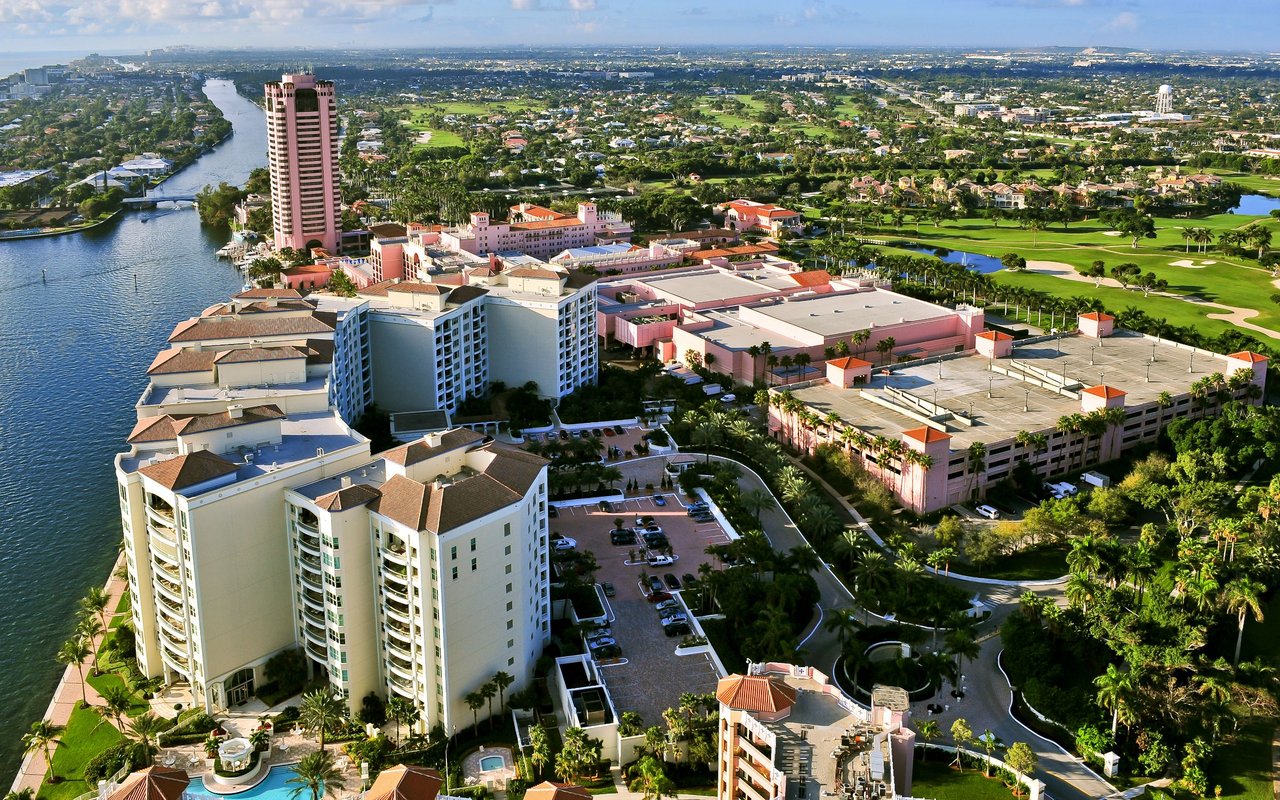
According to the city’s planning framework, downtown and nearby areas are divided into the Central Core, Beach sub-district, West Atlantic Neighborhood, and Congress Avenue Mixed Use corridor. Each one is designed for a different mix of density, walkability, and transportation access, which is why location choice matters so much here.
If you picture a lively, walkable Delray Beach lifestyle, this is often the area you are thinking about. The city says the Central Core allows the highest residential density in Delray Beach to support downtown businesses.
Pineapple Grove sits within this downtown environment and is known for its arts-focused setting just off Atlantic Avenue. The Downtown Development Authority describes it as an arts district with boutiques, bistros, galleries, salons, and spas, while the city highlights places like Old School Square, Arts Garage, and Arts Warehouse as part of the local cultural scene.
For you as a buyer, this often means easier access to restaurants, events, and evening activity. It can also mean more traffic, more visitor activity, and a greater need to look closely at parking arrangements before you buy.
If your top priority is getting to the ocean easily, beachside and east-of-the-Intracoastal locations deserve a close look. The city’s Beach sub-district includes areas along and adjacent to East Atlantic Avenue east of the Intracoastal Waterway.
The city’s plan says this district is intended to preserve the beach area and natural environment while limiting residential intensity and avoiding added density increases as a life-safety measure. In plain terms, that can make beachside condo inventory feel more fixed and less likely to change quickly through redevelopment.
The city also notes practical beach-access features near Atlantic Avenue and A1A, including access mats, showers, bike and towel racks, bottle fillers, and a covered pavilion at the north end of the beach. If your routine includes walking, biking, or spending frequent time by the water, these details can make a real difference.
The West Atlantic Neighborhood offers a different feel from the densest parts of downtown. The city describes it as a pedestrian-friendly commercial area with a mix of residential, commercial, and civic uses at a lower intensity than the Central Core.
For some buyers, that balance is appealing. You may still want access to local businesses and services without being in the middle of the busiest downtown blocks.
This area can make sense if you want a location that feels connected but not quite as intense as the core downtown environment. It is a useful option to consider when walkability matters, but nonstop activity does not.
If your schedule depends on regional travel, commuting convenience may matter more than being close to Atlantic Avenue. The Congress Avenue Mixed Use corridor is designed to encourage transit-oriented development and higher residential densities near the Delray Beach Tri-Rail Station.
Delray Beach Station is located at 345 S Congress Avenue. It offers free commuter parking and connects to Palm Tran routes 2, 70, 81, and 88.
This part of Delray Beach may be a better fit if you want easier access to rail service, Congress Avenue, or nearby road connections. It can also be worth a look if you expect to use your car regularly and want a more practical launch point for daily travel.
If your ideal condo life includes morning walks to the sand or easy bike rides to the beach, east-of-the-Intracoastal locations will usually rise to the top. You are choosing convenience to the shoreline over some of the trade-offs that come with downtown living.
That said, parking still matters. The city notes that beach parking permits are valid only in specific A1A lots, including Sandoway Park, Anchor Park, Ingraham Park, Atlantic Dunes, and Orange Grove/North Lot, so a building with its own resident parking can be much easier to live with than one that expects you to rely on public options.
If you want restaurants, galleries, cultural venues, and a lively street scene close by, downtown is the strongest match. The Downtown Development Authority highlights Atlantic Avenue dining and shopping, and the city points to arts and culture destinations such as Old School Square, Arts Garage, Arts Warehouse, public art, and the Delray Beach Historical Society.
For many buyers, that makes the Central Core and Pineapple Grove especially attractive. You may be able to do more on foot and enjoy more activity at night, which can be a major plus if that energy fits your lifestyle.
If your life involves frequent driving, rail travel, or getting around Palm Beach County efficiently, location should be filtered through that lens first. The key questions are whether the condo is convenient to I-95, Congress Avenue, or Tri-Rail.
The city’s Freebee service covers most locations east of I-95 to A1A and from Gulfstream Boulevard to SW 10th Street. That can help some downtown residents reduce short car trips, while condos farther west may offer faster access to major roads and rail connections.
A Delray Beach condo location can look perfect on paper and still be the wrong fit if the building itself creates friction. In this market, building-level details matter almost as much as the address.
In Florida, condo ownership is shaped by the declaration, bylaws, and rules, not just the location. Under Chapter 718, owners, tenants, and invitees must comply with those governing documents, and associations may levy reasonable fines for violations.
Before closing, a prospective purchaser is entitled to current copies of important records, including the declaration, articles of incorporation, bylaws, rules, annual financial statement and budget, milestone-inspection summary if applicable, the most recent structural integrity reserve study or a statement that one has not been completed, any turnover inspection report if applicable, and the FAQ document.
This is one of the biggest reasons two nearby condos can feel so different to own. If one building has stricter rules, weaker finances, or more operational complexity, your experience may look very different after closing.
Florida condo due diligence now needs to include building condition and reserve funding. The Department of Business and Professional Regulation says milestone inspections are required for residential condominium and cooperative buildings that are three or more habitable stories tall when they reach 30 years of age and every 10 years after that, or 25 years in some local circumstances.
DBPR also says residential condo associations with three or more habitable stories must complete a structural integrity reserve study at least every 10 years after the condominium’s creation. If the study shows reserves are not keeping up with the funding plan, the association may need special assessments, a loan, or a line of credit to comply.
For you, this means inspection summaries, reserve studies, and budget review should be part of normal condo shopping. They are not side issues anymore.
Parking is one of the most important quality-of-life details in Delray Beach condo ownership. The city’s downtown resident parking permit applies only in designated garages, lots, and side streets downtown, and it is not valid on Atlantic Avenue, at the beach, or east of the Intracoastal.
Beach parking permits are separate and apply only in specific A1A beach lots. So if a condo does not come with assigned parking, you should confirm whether everyday life will depend on city permits, guest garage access, street parking, or a waitlist for spaces.
Before you choose a Delray Beach condo, ask these practical questions:
In Delray Beach, the right condo location is usually the one that makes everyday life easier. For some buyers, that means stepping out to Atlantic Avenue restaurants and cultural spots. For others, it means easier beach access, less parking friction, or a simpler commute through Congress Avenue or Tri-Rail.
The smartest move is to compare both the area and the building at the same time. When you line up lifestyle fit with parking, HOA rules, reserves, and inspection history, you are much more likely to choose a condo that works well long after closing.
If you are comparing Delray Beach condo locations and want local guidance that is practical, responsive, and grounded in the details that affect daily ownership, Amie Calia can help you evaluate your options with clarity.
Stay up to date on the latest real estate trends.
Get assistance in determining current property value, crafting a competitive offer, writing and negotiating a contract, and much more. Let me guide you through your home-buying journey.