Townhome Living In Boynton Beach: What Buyers Should Know
April 9, 2026
April 9, 2026
Thinking about buying a townhome in Boynton Beach? It can be a smart way to get the space of a multi-level home with some shared upkeep, but not every townhome community works the same way. If you want fewer surprises after closing, you need to look past the floor plan and into the dues, documents, maintenance rules, and local weather risks. Let’s dive in.
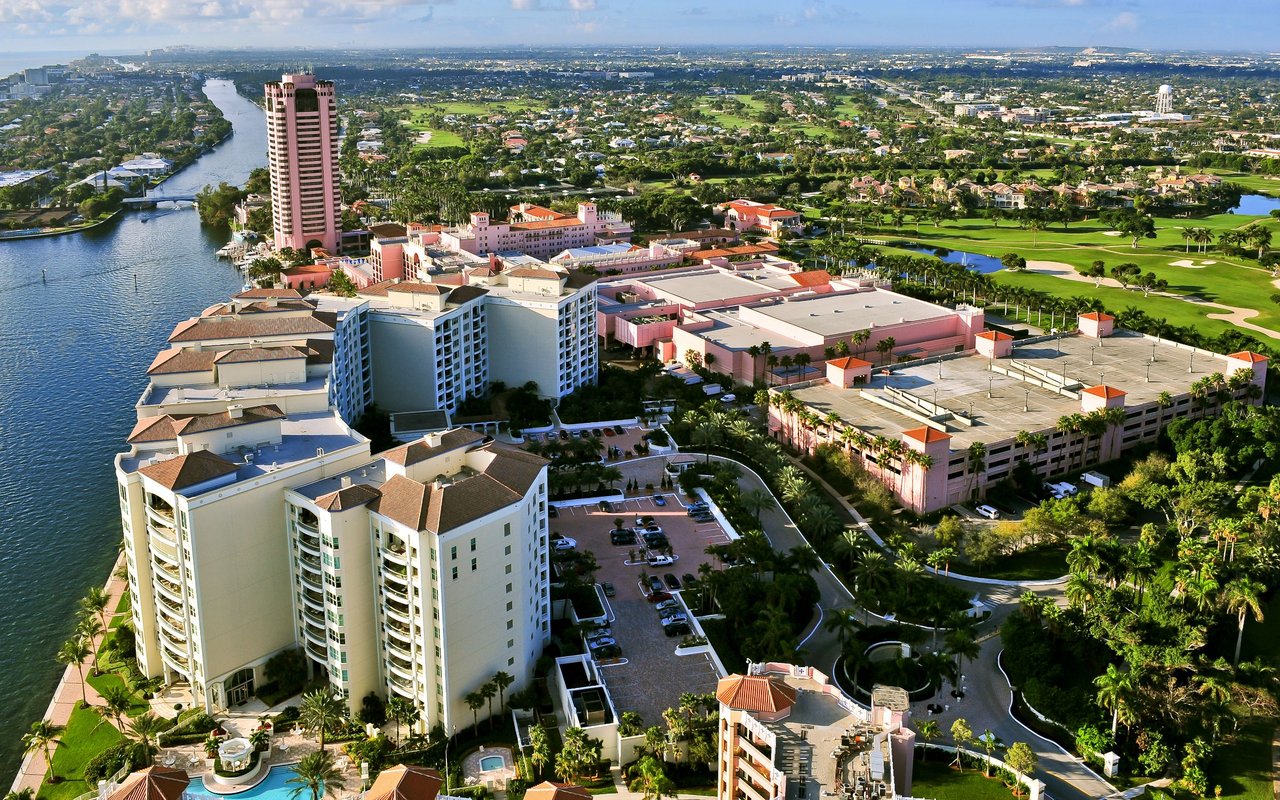
Boynton Beach offers a lot of what buyers want in Palm Beach County: convenient transportation access, shopping, dining, parks, recreation centers, and a municipal beach. The city also notes that new residential development includes townhome communities, which helps explain why this housing type has become part of the local mix in recent years. You can explore more about the area on the City of Boynton Beach overview page.
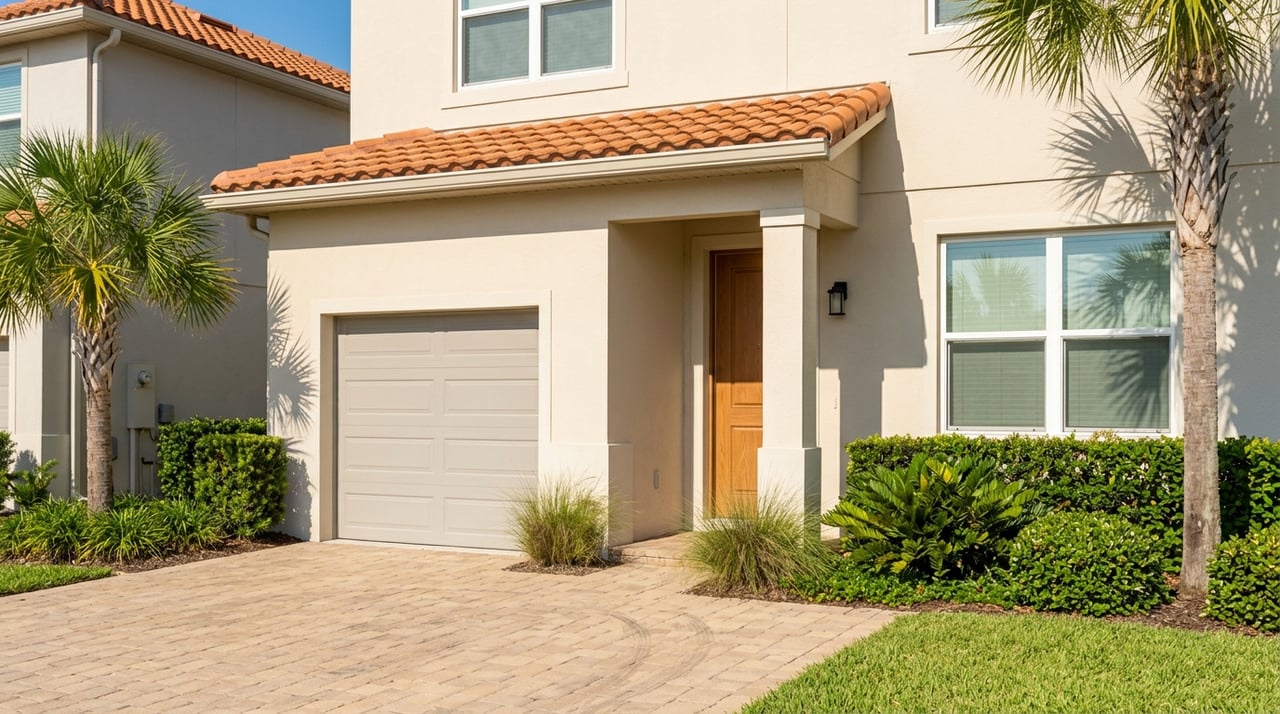
For many buyers, townhomes hit a practical middle ground. You may get more separation and square footage than a typical condo, while still having some maintenance shared through an association. That balance can be especially appealing if you want a low-maintenance lifestyle without moving into a fully detached home.
This is where many buyers get tripped up. According to Fannie Mae’s condo and townhome guidance, a townhome can be multistory and may share common walls, or in some communities it may even be a detached structure.
That means the look of the building does not tell you the whole story. A property that feels like a traditional townhome may still be structured more like a condo from a legal or maintenance standpoint, so you need to confirm how the association is set up before you buy.
The biggest difference is not always appearance. It is often about ownership, maintenance, and association responsibility.
In a condo-style setup, the association often handles more of the exterior and common-area maintenance. Fannie Mae explains that condo fees can cover exterior repairs, common areas, some utilities, amenities, and sometimes insurance or reserves. Florida law also states that condo associations are responsible for common elements, except where limited common elements are assigned differently in the declaration.
With an HOA-governed townhome, the answer depends on the governing documents. Under Florida HOA law, owners must comply with the association’s recorded documents and rules, and those documents define many of the association’s duties and powers.
A detached home usually gives you more control over your property, but it often comes with more direct maintenance responsibility. A townhome may reduce some of that work, but only if the association actually covers the items you assume it does.
When you buy a townhome in Boynton Beach, the documents tell you what you are really buying. The declaration, bylaws, rules, budget, reserve information, and estoppel certificate can reveal whether the community is financially prepared, what restrictions apply, and what costs may be coming.
Florida law requires HOA records to be maintained and available for inspection, and the estoppel certificate can disclose key details like assessments, transfer fees, violations, parking information, and insurance contacts. That makes due diligence more than a formality. It is one of the best ways to avoid expensive misunderstandings.
A common mistake is treating dues like a simple line item. In reality, you need to know exactly what those monthly payments fund.
The Consumer Financial Protection Bureau says HOA or condo dues are usually paid separately from your mortgage, and they can vary widely. Fannie Mae also notes that these fees often support ground maintenance, community facilities, and lawn and garden care.
In some Boynton Beach townhome communities, dues may include:
But you should never assume. Ask for the current budget and confirm what is included now, not what a listing description suggests.
This is one of the most important financial questions you can ask. A community may have reasonable dues today, but if reserves are underfunded, you could face added costs later.
Florida law requires HOA budgets to show operating expenses and list amenity costs separately. Budgets may also include reserves for capital expenditures and deferred maintenance. If those reserves are not fully funded, special assessments can become part of the ownership cost, and the estoppel certificate may disclose assessments that are already owed or scheduled.
In plain terms, lower dues are not always better. Sometimes they simply mean more costs are being pushed into the future.
If you only ask one question, make it this: Who handles the roof, exterior walls, and other major exterior components?
For condos, Florida law assigns common-element maintenance to the association. For HOA townhomes, the answer depends on the declaration, budget, and rules, which means the responsibility split can vary from one community to the next.
That is why two townhome communities in Boynton Beach can look very similar and operate very differently. Before you buy, confirm where the association’s responsibility ends and yours begins.
Parking can become a frustration fast if you do not verify it early. Do not rely on assumptions about guest parking, driveway use, or garage assignments.
Under Florida law, the HOA estoppel certificate includes the parking or garage space number when applicable. That makes parking part of your due diligence package, not a last-minute question before closing.
One of the lifestyle perks of a townhome can be having a patio, small yard area, or entry space. Still, outdoor space in association-governed communities is often rule-bound.
Florida law limits some restrictions on certain items not visible from the frontage, adjacent parcels, or common areas. At the same time, Fannie Mae advises buyers to review CC&Rs before making changes like exterior painting, landscaping, or structural updates. If you care about personalizing outdoor areas, check the rules before you commit.
In Boynton Beach, environmental risk should be part of your buying decision. The city’s Resilient Boynton resources highlight tidal flooding, sea-level rise, stronger storms, heavier rainfall, and higher insurance costs as real concerns for low-lying coastal communities.
That does not mean every townhome is high risk. It does mean you should ask better questions, especially in a coastal market.
Ask about:
These questions matter because insurance responsibilities can be split between you and the association. You want that answer in writing before closing, not after a storm.
If you are comparing townhome communities in Boynton Beach, keep this checklist handy:
This kind of review can help you compare communities more clearly. It also helps you avoid judging value by price alone.
A townhome can be a strong fit if you want a more managed lifestyle, predictable shared upkeep, and a layout that may offer more privacy or space than some condos. It can also be a good option if you want to stay close to the amenities and transportation access that make Boynton Beach attractive.
The key is knowing that not all townhome ownership works the same way. The best choice depends on the association structure, dues, maintenance split, parking setup, and how the community is preparing for weather-related risks.
If you want help comparing townhome communities or understanding the fine print before you buy in Palm Beach County, connect with Amie Calia. You will get clear local guidance, practical insight, and a straightforward approach from start to finish.
Stay up to date on the latest real estate trends.
Get assistance in determining current property value, crafting a competitive offer, writing and negotiating a contract, and much more. Let me guide you through your home-buying journey.