Listing Your Wellington Home For Equestrian Season
May 28, 2026
May 28, 2026
Thinking about listing your Wellington home for equestrian season? You are not alone, and timing can make a real difference. If you want more eyes on your property without losing sight of pricing and strategy, this is the window to understand. Here is how to use Wellington’s winter demand cycle to your advantage, while staying realistic about today’s market. Let’s dive in.
In Wellington, equestrian season is a major part of the local real estate conversation. The Village of Wellington identifies the season as running from November through April, with major winter events drawing participants and visitors from across the country and around the world.
That seasonal traffic is substantial. The 2025 Winter Equestrian Festival generated a reported $536.2 million in economic impact and attracted more than 31,000 participants from all 50 states and more than 50 nations. Wellington International also reported more than 210,000 paid room nights tied to event activity in Palm Beach County.
For sellers, that means one thing: more visibility. A larger share of your potential buyers may be in town, browsing online from another market, or making short trips while attending events.
More attention does not always mean stronger offers. Current market data points to a measured market in Wellington, not a frenzy.
Recent reports show Wellington homes taking roughly 63 to 68 days to sell, with sale prices landing around 97% of list price. Countywide conditions tell a similar story, with many listings seeing price reductions and buyers still holding negotiating power.
That matters if you are planning around equestrian season. Seasonal traffic can improve exposure, but it does not erase buyer leverage. You still need the right price, the right presentation, and a plan that meets buyers where they are.
If your goal is to capture winter demand, waiting until the middle of the season may be too late. Since Wellington’s equestrian season starts in November and local marketing timelines often stretch for two months or more, your home should ideally be ready before peak activity is fully underway.
In simple terms, if you want to benefit from seasonal attention, list early enough to be seen during the busiest months. A late launch can cause you to miss part of the audience you were hoping to reach.
A strong approach is to:
This approach fits how Wellington buyers often shop during the season. Some are local, but many are visiting, relocating, or monitoring listings remotely.
It is tempting to assume equestrian season will push your price higher. In today’s market, that is not the safest strategy.
Wellington market data suggests homes are generally selling below list price, not above it. That makes disciplined pricing especially important if you want strong early interest.
A well-priced listing can create momentum. An overpriced listing can sit while buyers compare your home to other options in neighborhoods like Palm Beach Polo and Country Club, Saddle Trail Park, Olympia, Greenview Shores, Sugar Pond Manor, Paddock Park, and South Shore.
Smart pricing means:
In this market, buyers are still value-conscious. If your home feels overpriced, many will wait, negotiate, or move on.
Because so many seasonal buyers are not local, your online presentation carries extra weight. Your listing often needs to do the heavy lifting before a buyer ever schedules a showing.
That is why professional marketing is not optional if you want to stand out. Strong visuals and a clean, polished presentation can help buyers understand the property quickly and feel more confident taking the next step.
The staging data supports that idea. The 2025 Profile of Home Staging found that 83% of buyers’ agents said staging makes it easier for buyers to visualize a property as a future home. The same report also found that some sellers saw improved offers and shorter time on market with staging.
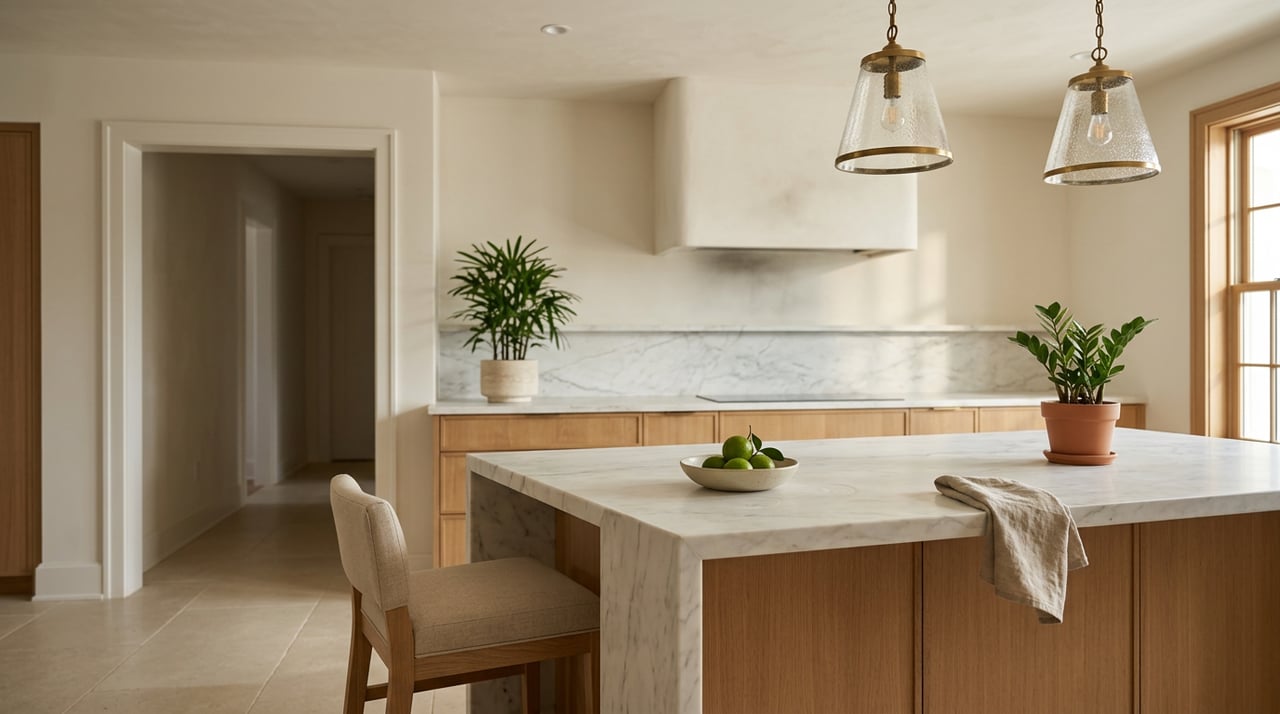
If you are selling a traditional Wellington home, prioritize the spaces buyers care about most:
Keep those rooms bright, clean, and easy to understand. You do not need to overdo every corner of the house. Focus on the rooms that shape first impressions and listing photos.
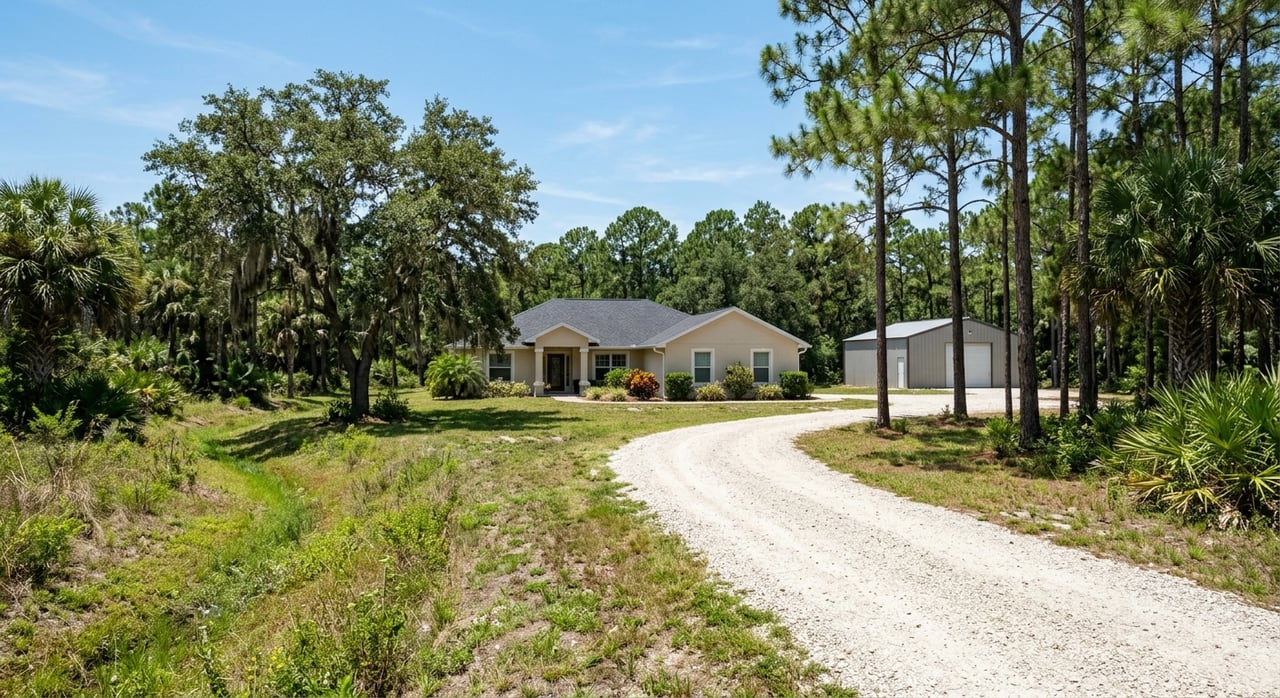
If your property is in Wellington’s equestrian area, your marketing strategy should go beyond standard residential staging. Buyers looking at horse properties want clarity, functionality, and a layout that makes sense from the start.
Wellington’s official planning materials describe the Equestrian Preserve Area as an exurban environment designed to keep horses close to competition venues. The area includes equestrian farms, access to an extensive bridle trail network, and parcel patterns commonly ranging from smaller acreage sites to larger farms.
That means your listing should clearly present the property’s horse-related features. Instead of marketing it like a generic suburban home, show how the land, structures, and access points work together.
Focus on features such as:
Village guidance also points to practical property standards like drainage and manure-bin requirements. That makes overall upkeep and presentation especially important for equestrian listings.
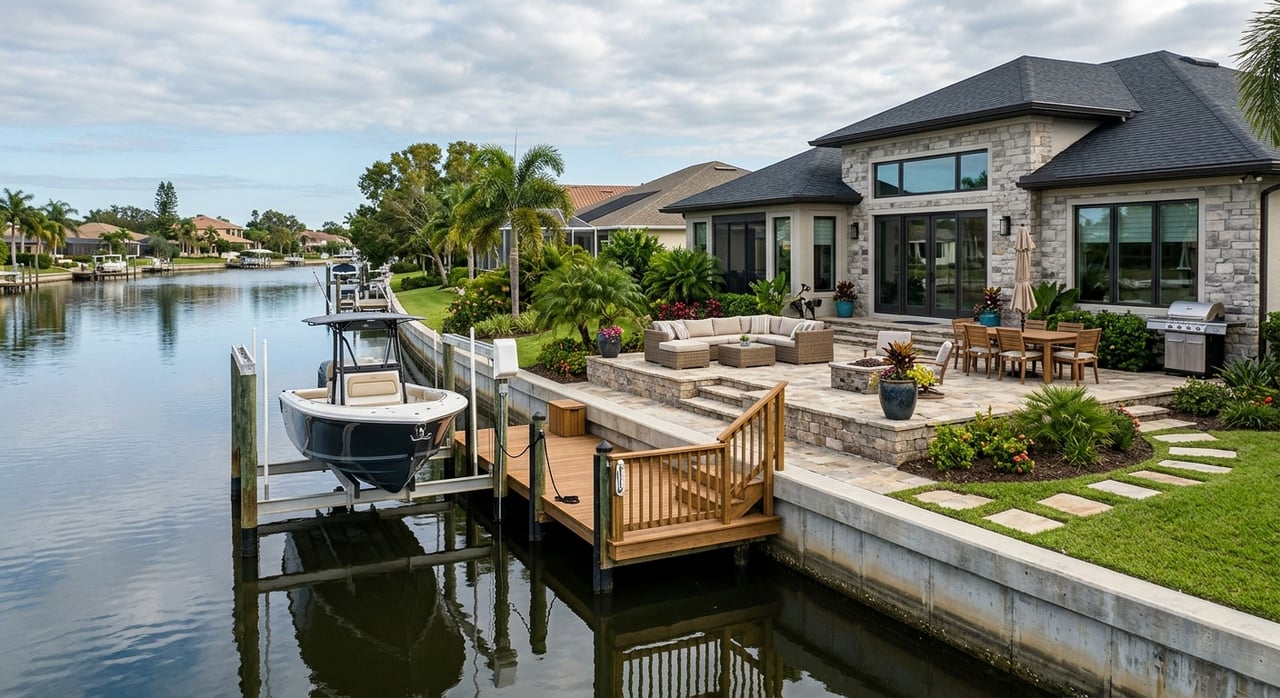
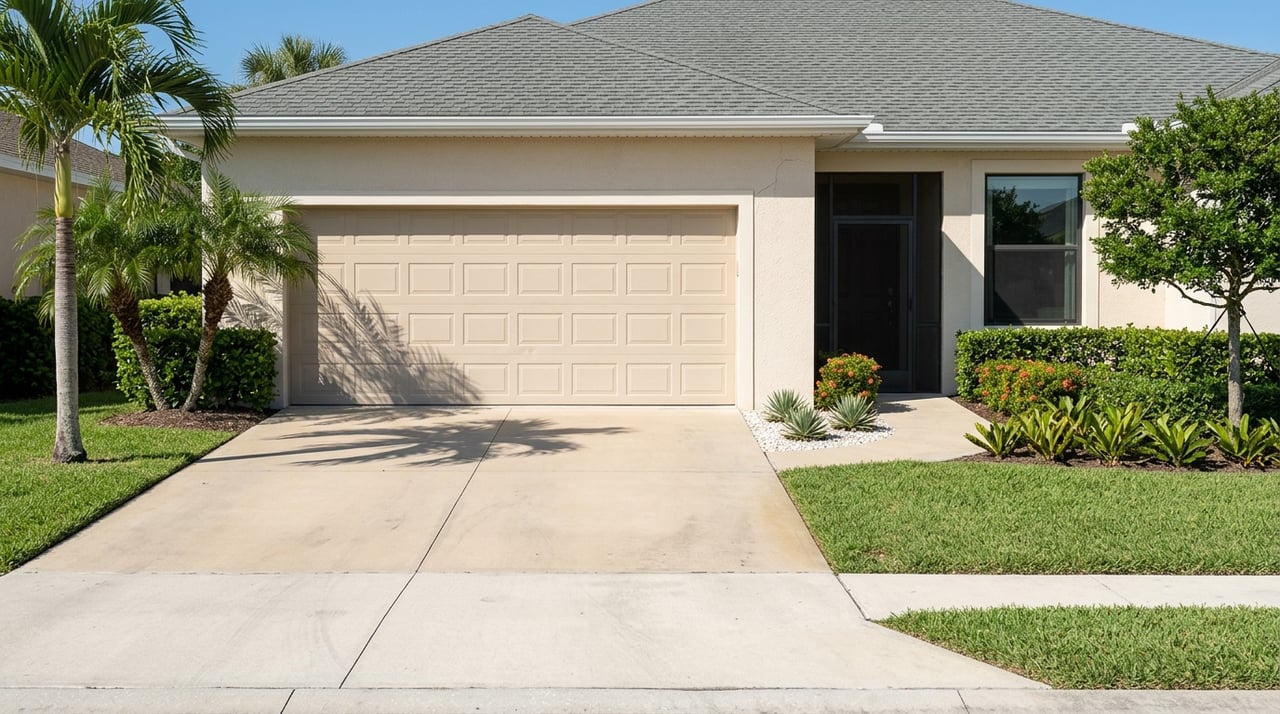
You do not need to own a farm or be near the preserve to benefit from Wellington’s winter activity. Many buyers looking during equestrian season also explore traditional neighborhoods and move-in-ready homes.
That is why suburban sellers should not tune out the season. If your home is in a residential neighborhood, the same core strategy still applies: prepare early, price accurately, and make the home easy to shop online.
If you are listing a non-equestrian home, focus on:
You are still competing for attention, especially when buyers have many choices. A polished listing can help your home rise above the noise.
Wellington’s equestrian audience includes seasonal residents, visitors, and nonlocal buyers. Some may only be in town briefly. Others may start their search online long before they arrive.
That makes digital presentation a major part of your selling strategy. High-quality HDR photography, aerial images, and video can help buyers understand the lot, the layout, and the setting before they ever step inside.
For many sellers, this is where a full-service approach pays off. Better visuals, stronger listing presentation, and fast follow-up can help convert seasonal interest into serious showings and offers.
If you want to list your Wellington home for equestrian season, keep your plan simple and disciplined.
That formula works because it reflects current market reality. In Wellington, equestrian season can expand your audience, but success still comes down to execution.
If you are thinking about selling, the right strategy can help you capture more attention without sacrificing your bottom line. Amie Calia offers full-service listing support, premium marketing, and a 1.5% listing commission designed to help you keep more of your equity.
Stay up to date on the latest real estate trends.
Get assistance in determining current property value, crafting a competitive offer, writing and negotiating a contract, and much more. Let me guide you through your home-buying journey.