Single-Family Vs Townhome Living In Royal Palm Beach
June 4, 2026
June 4, 2026
Choosing between a single-family home and a townhome in Royal Palm Beach is not just about square footage. It is about how you want to live day to day, how much maintenance you want to handle, and how much flexibility you want over your property. If you are weighing both options, this guide will help you compare cost, upkeep, rules, and long-term fit so you can make a smarter move. Let’s dive in.
Royal Palm Beach offers a mix of residential options in a village known for parks, recreation, and established neighborhoods in west-central Palm Beach County. The village highlights amenities like the Cultural Center and Commons Park, which includes walking and biking trails, a sporting center, a splash fountain, a canoe and kayak launch, and a 19-acre lake.
That local setting matters because your home choice affects how you experience the area. If you want more private outdoor space, a single-family home may stand out. If you want a lower-maintenance lifestyle with shared amenities or less exterior work, a townhome may feel like a better fit.
One of the biggest reasons buyers compare these property types is affordability. In March 2026, Royal Palm Beach had a median sale price of $525,000, while the townhome search snapshot showed 37 townhouses for sale at a median listing price of $340,000.
That is not a perfect apples-to-apples comparison, but it does show a meaningful entry-point gap. For many buyers, a townhome can offer a lower purchase price upfront, while a single-family home may require a higher budget to get into the market.
A lower price does not always mean a lower monthly cost. With townhomes, you may also have association dues, reserve funding, and the possibility of special assessments depending on the community structure and finances.
With single-family homes, you may avoid some shared costs, but you may spend more directly on lawn care, exterior maintenance, repairs, and long-term updates. The better value depends on your budget, your time, and how much hands-on responsibility you want.
For many buyers, the real debate comes down to upkeep. In Royal Palm Beach, single-family ownership usually means more direct responsibility for exterior care.
Village code states that the owner, tenant, and their agent are jointly and severally responsible for landscaping maintenance. For property zoned single-family residential, the owner must also maintain and mow landscaping in the right-of-way and swale area between the property and the street.
The code also requires seven feet of vertical clearance between vegetation and roadways, sidewalks, driveways, easements, and rights-of-way. In simple terms, owning a single-family home often means you need to stay on top of mowing, trimming, and exterior appearance.
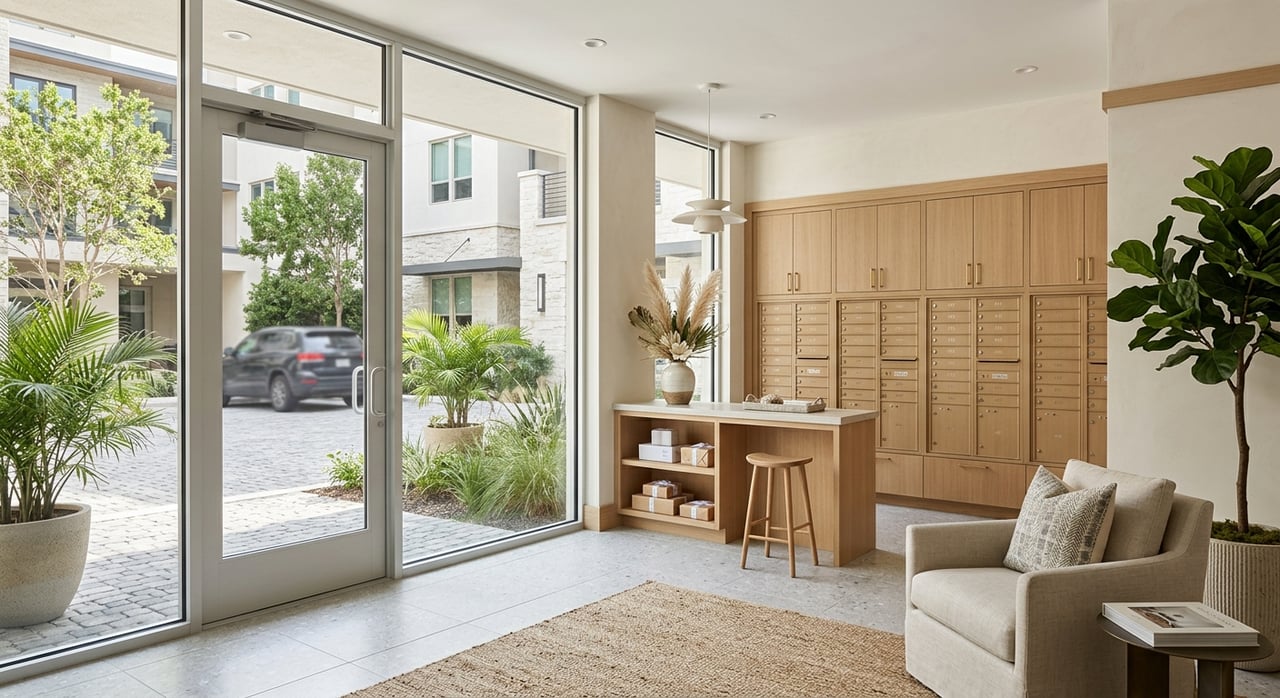
Townhomes can feel easier to manage if the association handles some exterior or common-area work. That said, not every attached home works the same way.
In Florida, condominium-style attached homes generally place common-element maintenance on the association, except where the declaration assigns certain limited common-element duties to unit owners. That is why buyers should never assume lawn care, roof work, or exterior repairs are included without checking the actual community documents.
A simple way to think about it is this:
That is not a rule for every property, but it is a useful starting point for comparing options in Royal Palm Beach.
If you are considering a townhome, association rules should be part of your decision from the start. Florida law requires homeowners associations to be Florida corporations, record governing documents in county records, prepare annual budgets, and provide members with budgets and financial reports.
That structure can add organization and shared planning, but it also means you are buying into a set of rules. Members, tenants, guests, and invitees must comply with the governing documents and association rules, and Florida law allows fines and suspension of certain use rights for violations.
One area buyers often overlook is approval for changes. In some townhome communities, updates like fences, patios, paint colors, or exterior improvements may require review or approval.
Florida law limits architectural review authority to what is specifically stated or reasonably inferred in the declaration or published guidelines. Even so, attached-home communities can still feel more restrictive than stand-alone homes when you want to customize the exterior.
This is a key detail in Florida. An attached home community may be governed as an HOA community or as a condominium, and that distinction can affect maintenance responsibility, budgeting, and dues.
Before you buy, confirm how the community is legally structured. That one question can clarify who handles what and help you avoid surprises after closing.
If you own a boat, trailer, RV, or work vehicle, this comparison gets even more important. Royal Palm Beach has village-level rules that prohibit certain vehicles from being parked or stored in residential districts unless they are completely enclosed in a garage.
The code also sets location and screening rules for restricted vehicles and boats. In addition, single-family properties have some specific side-yard and driveway allowances, but only within the ordinance requirements for placement, registration, and screening.
In practice, buyers who want more flexibility for parking or storage often lean toward single-family homes. You may have more room to work with, although you still need to follow village rules.
In a townhome community, you may face both local regulations and association restrictions. That extra layer of rules can matter a lot if you want less friction around vehicles, storage, or outdoor use.
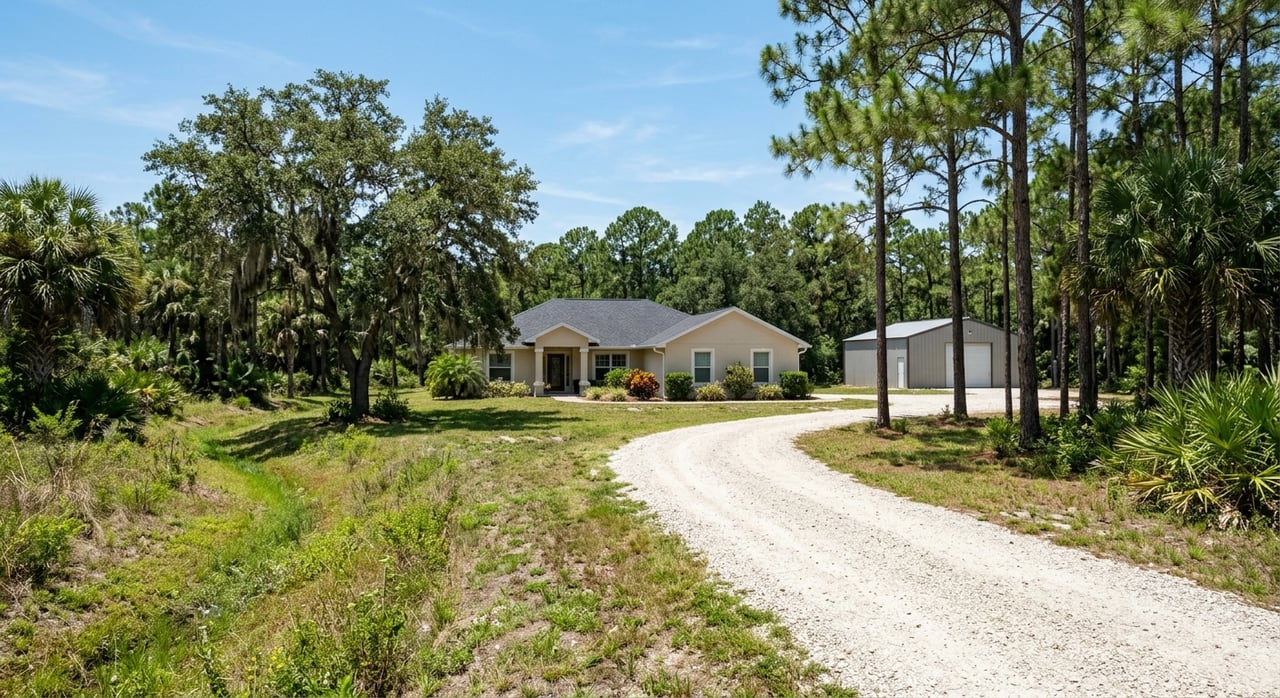
Single-family homes often appeal to buyers who want more separation from neighbors and more private use of outdoor space. That can be especially appealing if you want a fenced yard, a larger patio area, or room to garden or entertain.
Townhomes can still offer useful outdoor space, but it is often more compact and more closely tied to community guidelines. If your ideal setup includes low-maintenance outdoor living rather than a larger yard to manage, a townhome may be the easier fit.
If you plan to make the property your primary residence, homestead exemption should be on your checklist. The Palm Beach County Property Appraiser says a property may qualify for homestead exemption if it is your permanent residence, and the filing deadline is March 1 for the tax roll year.
The exemption renews each year as long as you still qualify. That makes long-term occupancy planning important whether you buy a single-family home or a townhome.
If you may rent the property later, ask questions early. The Palm Beach County Property Appraiser notes that certain rental patterns can cause a homestead exemption to be lost.
That means flexibility is not just about resale value. It is also about how your future plans line up with tax status, occupancy rules, and any association restrictions that could apply.
There is no one-size-fits-all answer, but there are clear patterns. A single-family home in Royal Palm Beach may fit you best if you want more control over your yard, parking, and future exterior changes, and you are comfortable taking on more maintenance.
A townhome may fit you better if you want a lower entry price, less exterior upkeep, and a more structured community setting. The key is to compare not just the listing price, but also the rules, maintenance obligations, and long-term flexibility attached to each property.
Before you decide, make sure you get clear answers to these questions:
Asking these questions upfront can save you money, stress, and surprises later.
If you are comparing single-family homes and townhomes in Royal Palm Beach, local detail matters. The right choice comes down to your budget, your maintenance comfort level, and how much control you want over the way you live. When you want clear guidance based on Palm Beach County market knowledge, connect with Amie Calia for straightforward advice tailored to your move.
Stay up to date on the latest real estate trends.
Get assistance in determining current property value, crafting a competitive offer, writing and negotiating a contract, and much more. Let me guide you through your home-buying journey.