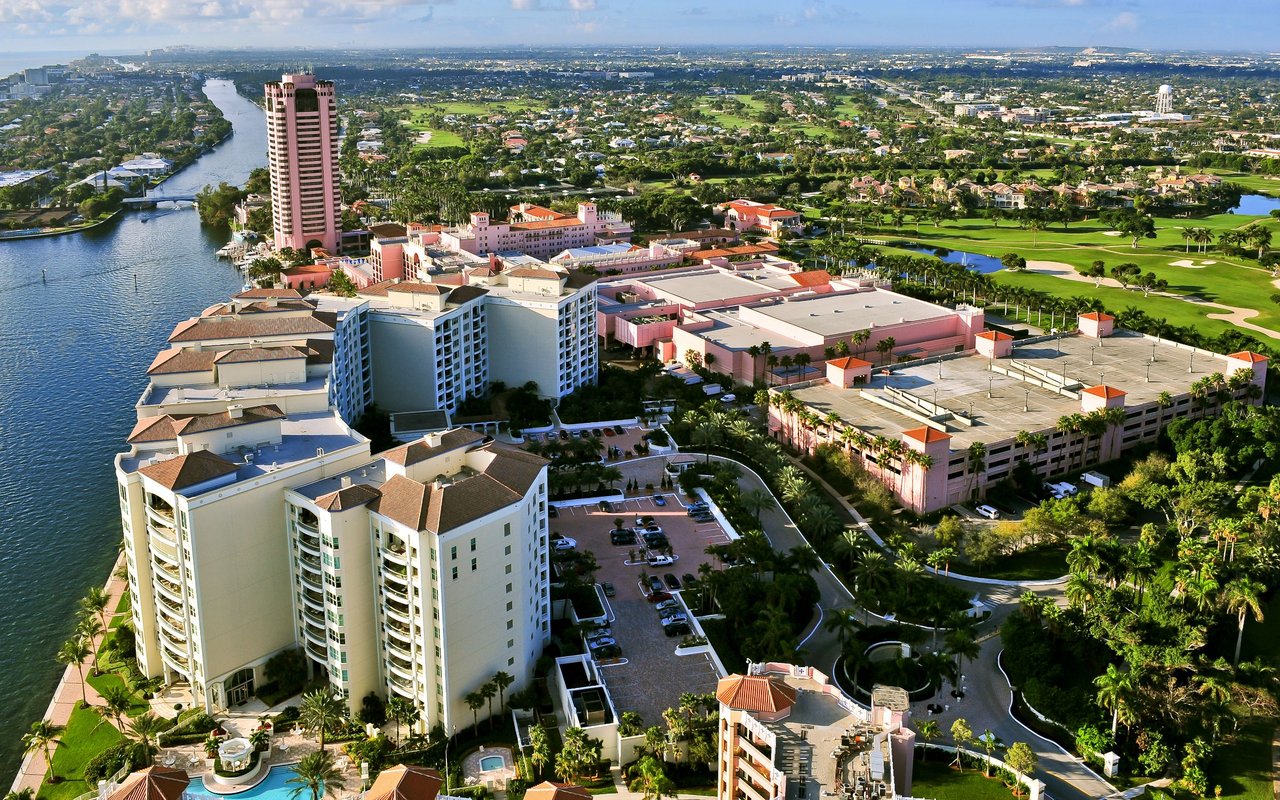
Price Your Delray Beach Home with Confidence
December 25, 2025
December 25, 2025
Thinking about selling in Delray Beach and not sure where to price? You are not alone. Pricing is the single biggest lever you control, and in our market the right number depends on location, buyer mix, seasonality, and property details. In this guide, you will learn how to set a confident list price that attracts offers fast and protects your net. Let’s dive in.
Delray Beach draws a wide buyer mix. You will see retirees, seasonal second-home buyers, local professionals who commute, and investors. That mix shifts demand between neighborhoods and price points.
Neighborhood variation is real. Homes near Atlantic Avenue and the beach, plus waterfront and Intracoastal areas, often command premiums. Inland neighborhoods and older subdivisions tend to sell at lower price points.
Recent years brought big swings. After a hot 2020 to 2022 run, many areas cooled in 2023 as rates rose and inventory normalized. Delray Beach still has pockets of strong demand, especially prime waterfront and well-located condos. Watch local supply and mortgage rates. When inventory tightens or rates dip, pricing power improves. When inventory rises, competitive pricing wins.
Different buyers react to different features and price levels:
Knowing your most likely buyer helps you price the features they value and message clearly.
Your property type sets the baselines. Single-family homes, townhomes, and condos trade in different ranges. Size and usable living area count, but layout and bedroom-bath count impact value too.
Condition is a major driver. Updated kitchens and baths, newer HVAC, roof quality, and impact windows or doors boost both price and buyer confidence. Outdoor living spaces and a private pool are strong adds in South Florida.
Water access and boat features can be decisive. A dock slip, seawall condition, and navigable canal depth move values materially.
Proximity to the beach and Atlantic Avenue is a premium. Walkable areas and amenity-rich blocks command higher per square foot prices. Micro-neighborhoods like Pineapple Grove, Old School Square, Lake Ida, Seagate, and Tropic Isle each have their own buyer expectations and price tiers.
Keep your analysis hyperlocal. A comp six streets away can be a different value story if walkability or water access changes.
Inventory and days on market set the tone. Rising days on market signal the need to recheck price. Higher interest rates reduce purchasing power and can cap top-end pricing. South Florida also has a seasonal rhythm, with stronger buyer activity in fall and winter when snowbirds arrive.
Carrying costs matter to buyers. Flood insurance in certain zones, HOA fees, and any special assessments can narrow the buyer pool and reduce price tolerance.
A Comparative Market Analysis is your best foundation for pricing. Here is how to approach it in Delray Beach:
A strong CMA gives you a realistic range. That range is where your pricing strategy lives.
Price per square foot is a quick benchmark, not a rule. In Delray Beach, it can swing widely across neighborhoods and between waterfront and non-waterfront homes.
Refine it by adjusting for lot desirability, water or view exposure, floor level for condos, and layout efficiency. Two homes with the same size can trade very differently based on these details.
Condo pricing hinges on more than the unit. Evaluate:
These items affect affordability and buyer access, which can pull price up or down.
Waterfront is a premium, but it comes with scrutiny. Buyers will weigh dock quality, permits, seawall condition, and boat access. Any defects can trigger significant price adjustments.
Know your flood zone and elevation. Properties in FEMA-designated flood zones may require flood insurance, which increases carrying costs. Obtain an Elevation Certificate if it applies and gather your insurance history. Transparent documentation reduces uncertainty that can hurt your price.
Hurricane readiness matters. Impact windows or doors and roof tie-downs help buyers feel confident and can support stronger offers.
Investor interest can lift pricing when short-term rentals are allowed. City ordinances and HOA rules vary, and some buildings or neighborhoods limit short-term rentals. Confirm current rules and document what is allowed. Clear guidance helps investors move quickly and make stronger offers.
Choose the path that fits your goals and market conditions:
Seasonality in South Florida is real. Activity often picks up in late summer and fall as seasonal buyers plan their winter. If you can align your list date with rising demand, you can push for better terms. If you must list off-season, lean into competitive pricing and strong marketing.
Price is not the same as net. Build your net proceeds estimate early. Include:
Here is a simple example. Assume a 900,000 sale price.
Your actual net will also reflect buyer-side compensation you offer, closing costs, and payoffs. Run versions at different list prices to see your break points and decide how aggressive you want to be.
Monitor these signals after launch:
If you need to adjust, pair a reduction with new photos, refreshed staging, and broader outreach to reset buyer attention.
A little preparation protects your price:
Delray Beach pricing is hyperlocal. Waterfront, flood, STR rules, and building health can shift value quickly. A local expert will build a tight CMA, position your property to the right buyer segment, and help you choose the right strategy.
If you want full-service listing marketing with a 1.5 percent listing commission, you can keep more of your equity without cutting corners on presentation or exposure. To see where your home should list and what you could net, get a free valuation today with Amie Calia.
Stay up to date on the latest real estate trends.







Get assistance in determining current property value, crafting a competitive offer, writing and negotiating a contract, and much more. Let me guide you through your home-buying journey.