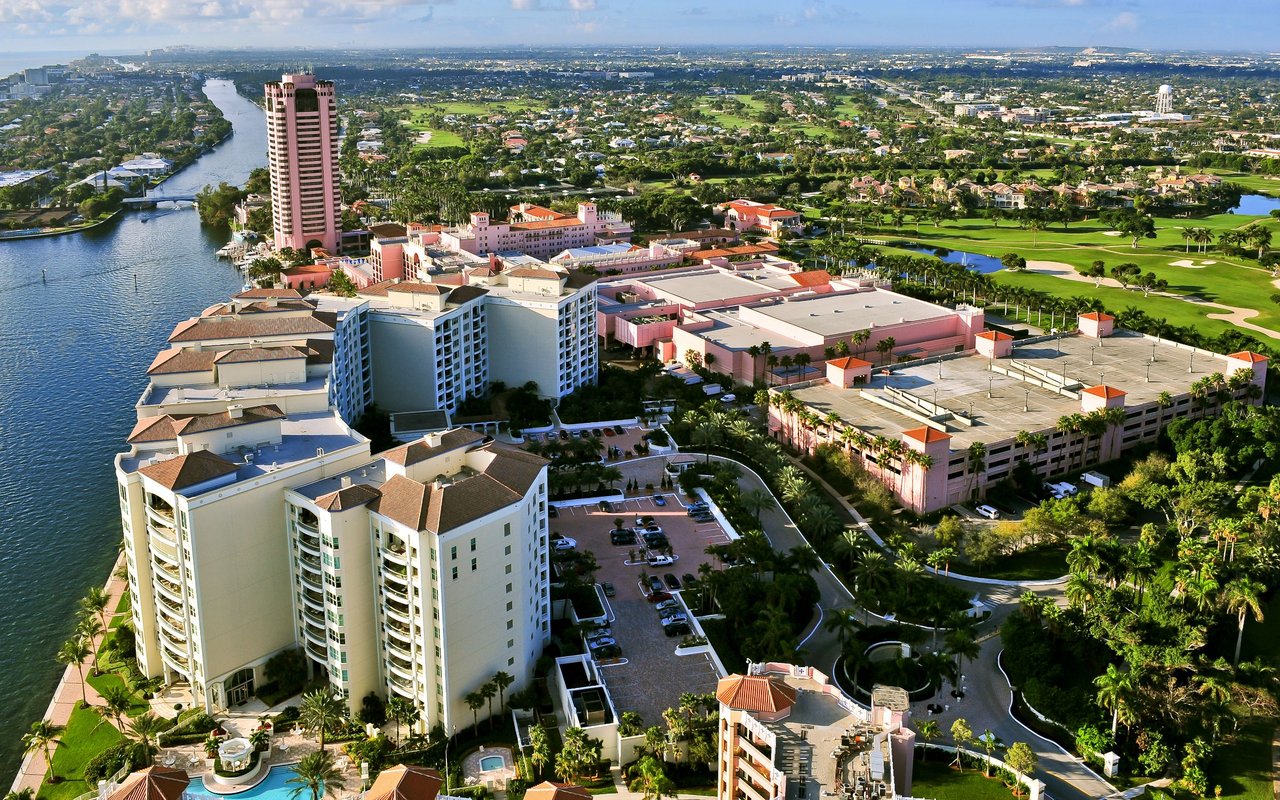
Wellington New Construction vs Resale: What to Consider
January 1, 2026
January 1, 2026
Thinking about buying in Wellington and torn between a brand‑new build and a resale home? You are not alone. Each path offers real benefits in Palm Beach County’s equestrian‑friendly, planned‑community market. In this guide, you will learn how price, timelines, insurance, HOAs, and local rules shape your decision so you can move forward with confidence. Let’s dive in.
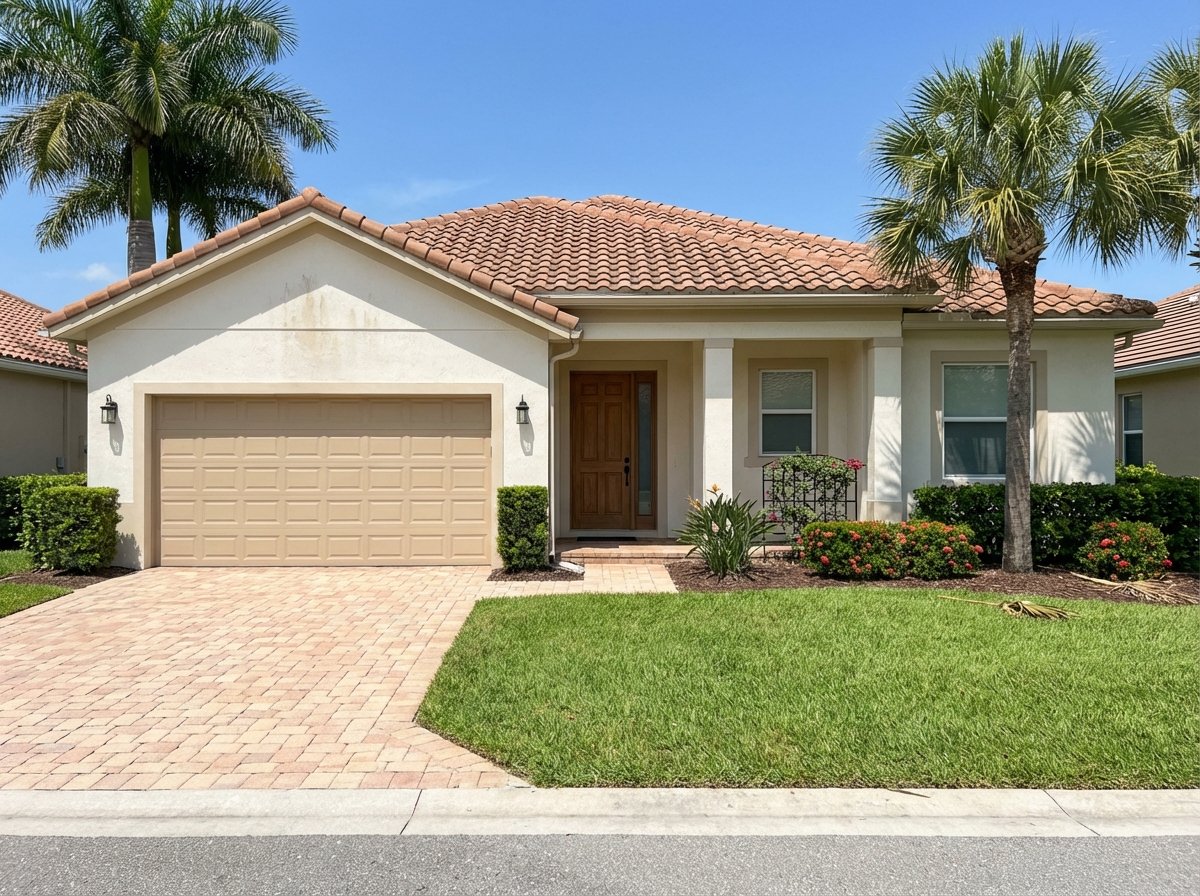
Wellington blends equestrian estates with master‑planned neighborhoods and townhomes. Seasonal demand from equestrian and polo events can influence inventory and pricing at different times of the year. New builds tend to cluster in planned subdivisions, while many equestrian areas lean toward resales. Your choice often comes down to location, lot size, amenities, and long‑term plans.
New construction often comes with a premium for modern design and materials. You may encounter upgrade packages, lot premiums, landscaping, and potential developer assessments. Resales can list lower for similar square footage, but immediate repairs or system replacements add to short‑term costs.
Focus on a total move‑in number, not just list price. Add purchase price, expected repairs or upgrades, and any outdoor work to compare apples to apples.
If you buy before completion, new construction may call for construction or construction‑to‑permanent loans. Once the home is finished, conventional, VA, or FHA options may be available. Appraisals on new homes can be tricky if there are few nearby comps, and lenders often look within the same subdivision.
Resales usually fit standard mortgage paths. If you plan to renovate, ask about renovation loans that roll improvements into the mortgage.
New builds depend on builder schedules, permits, inspections, and supply chains. Timelines vary, and delays can happen. If the community is in phases, amenities or roads may arrive later.
Resales offer a more predictable closing and faster occupancy after closing, subject to inspections and negotiations.
New homes typically come with builder warranties. Still, order independent inspections at key stages, such as pre‑drywall and final. Confirm warranty details in writing, including workmanship, systems, and structural coverage.
For resales, a full home inspection is essential. Florida law requires seller disclosures, and permit history matters. Expect negotiations around hidden defects or deferred maintenance.
New homes in Florida are built to current Florida Building Code standards. That can mean stronger wind resistance and better insulation, windows, and doors. Newer systems often improve energy efficiency compared with older homes.
Older resales may need retrofits like impact windows, storm shutters, or roof tie‑downs. Budget for upgrades that enhance safety and comfort.
Homeowners insurance is a major factor across Palm Beach County. New construction can sometimes qualify for lower premiums due to code compliance and stronger roof systems. Actual pricing depends on location, flood zone, and insurer guidelines.
Wellington is inland, yet flood zones still apply in some areas. Confirm flood maps and elevation data, and obtain quotes for homeowners and flood insurance early in the process.
New builds can be assessed differently once complete, and some developments include special district fees for infrastructure. Ask about developer assessments and amenity costs.
In Wellington’s gated and equestrian communities, HOA rules can cover architectural standards, horse and paddock guidelines, yard maintenance, and rental policies. Review covenants, rules, and recent HOA meeting minutes before you commit.
New homes often enjoy short‑term appeal, especially when there is limited inventory. Long‑term value depends on build quality, lot desirability, and how the community matures.
Established neighborhoods can offer mature landscaping and a track record of demand. In equestrian submarkets, well‑designed infrastructure that fits local needs can support strong resale potential.
If you need barns, paddocks, or livestock, verify zoning and permitted uses for the property. County rules and HOA covenants may limit or require specific standards for equestrian facilities.
Confirm setbacks, building envelopes, and accessory structure rules before you plan improvements. For peace of mind, review permits and Certificates of Occupancy where applicable.
Determine whether the home or lot uses central water and sewer or well and septic. Systems affect financing, insurance, and maintenance planning.
Ask for elevation information and review flood maps for your specific address. Newer subdivisions may include engineered drainage, while older homes can have site‑specific drainage issues you will want to understand.
Use this quick checklist to compare a Wellington new build and a resale side by side.
Choose new construction if you want modern layouts, energy efficiency, and the chance to personalize finishes. Plan for a longer timeline and possible upgrades or assessments.
Choose resale if you prefer established neighborhoods, mature landscaping, and faster closings. Budget for repairs or system replacements and verify permits and disclosures.
If you are still unsure, run a side‑by‑side cost and risk comparison for your target neighborhood and lot type. A clear picture of total ownership costs and timing often reveals the winner.
You deserve clear answers on price, risk, and long‑term value. Whether you are buying a new build or a resale, smart due diligence upfront leads to a smoother closing and better results. If you are also planning to sell, professional marketing and efficient pricing can boost your net.
Have questions about a specific Wellington neighborhood, HOA, or equestrian setup? Connect with Amie Calia for local, boutique guidance and full‑service representation with a value‑minded approach.
Stay up to date on the latest real estate trends.




Get assistance in determining current property value, crafting a competitive offer, writing and negotiating a contract, and much more. Let me guide you through your home-buying journey.