Condo vs House in West Palm Beach: How to Choose
February 12, 2026
February 12, 2026
Not sure if a condo or a house fits your West Palm Beach life best? You are not alone. Buyers here balance beach access, walkability, storage needs, and insurance costs before they choose. In this guide, you will compare lifestyle, location, costs, financing, and due diligence for both options so you can move forward with clarity. Let’s dive in.
Choose a condo if you want:
Choose a single‑family home if you want:
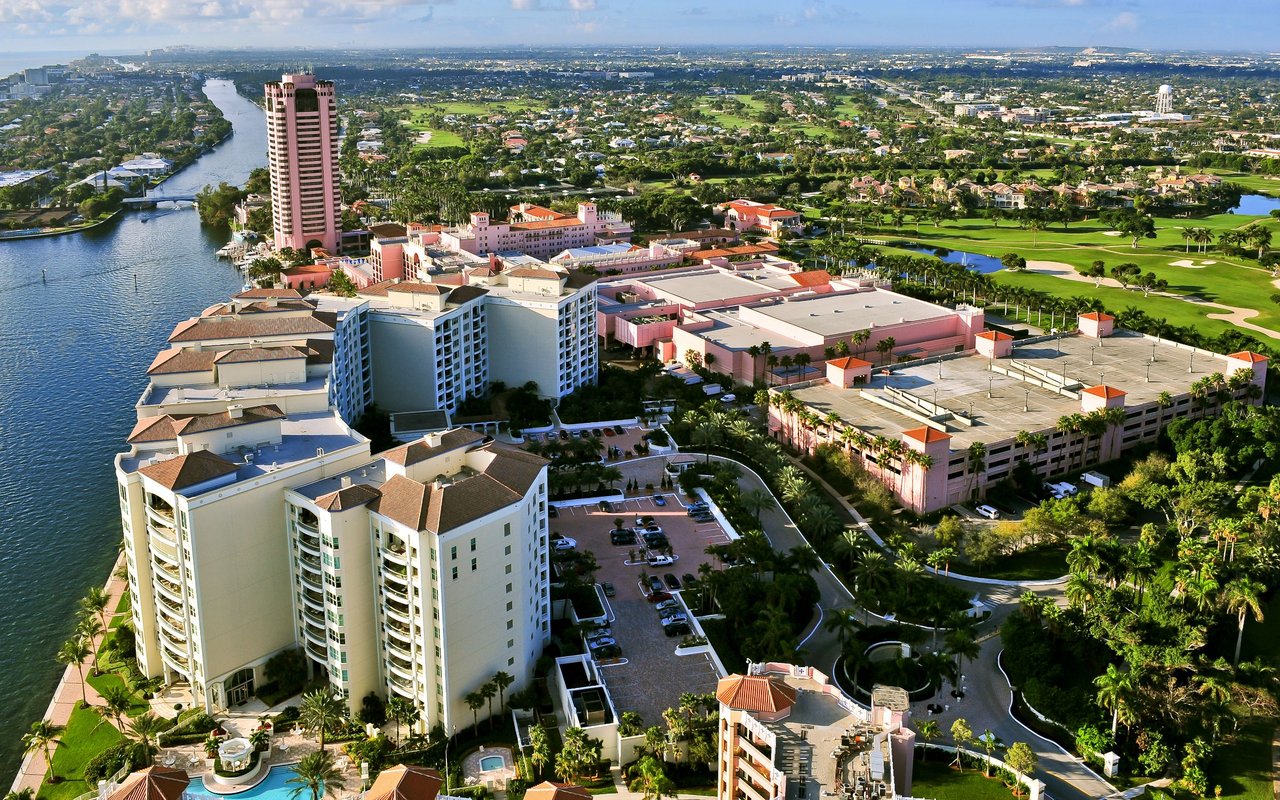
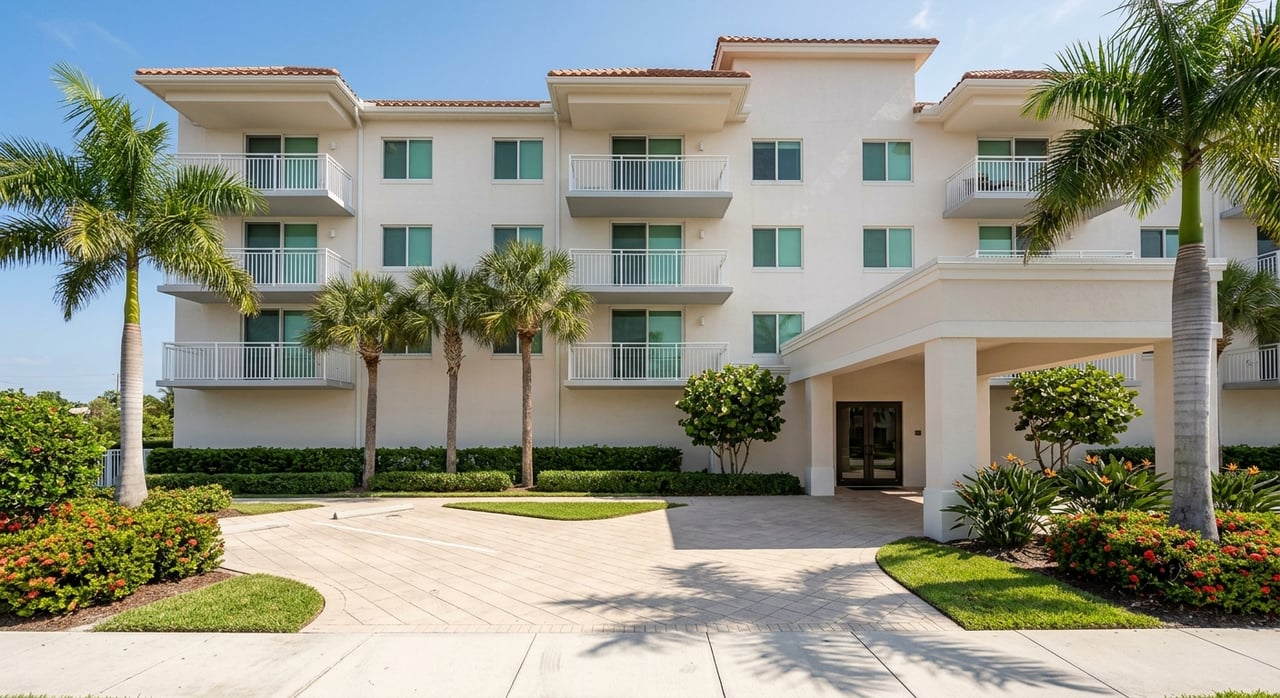
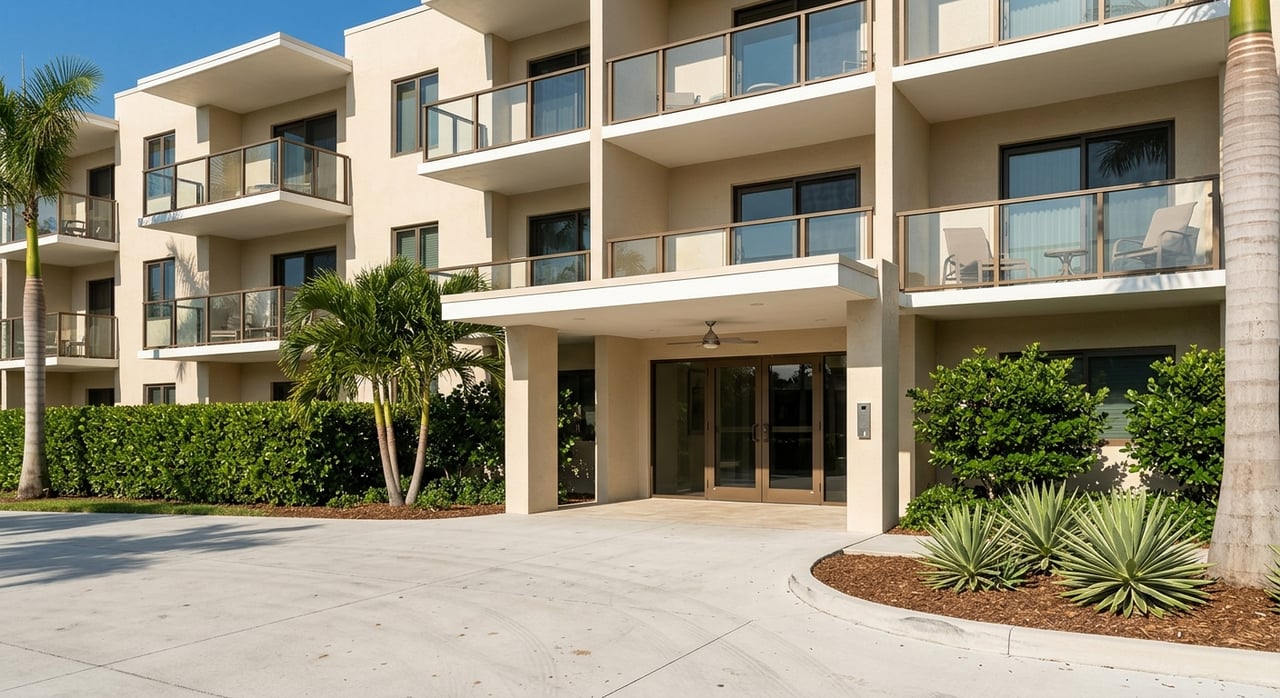
If you love stepping out to restaurants, events, and the waterfront, condo living near downtown and the Intracoastal can fit well. Buildings around hotspots like Rosemary Square offer high‑density living with retail nearby. You trade a yard for amenities and convenience.
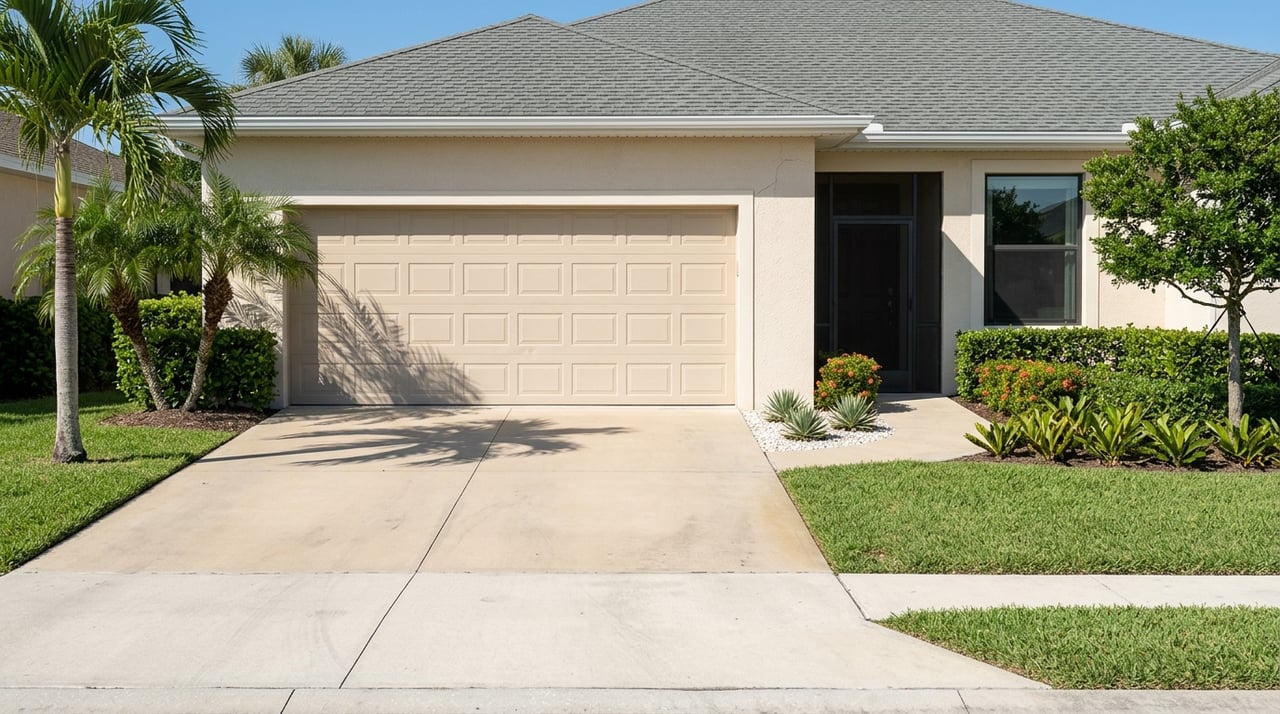
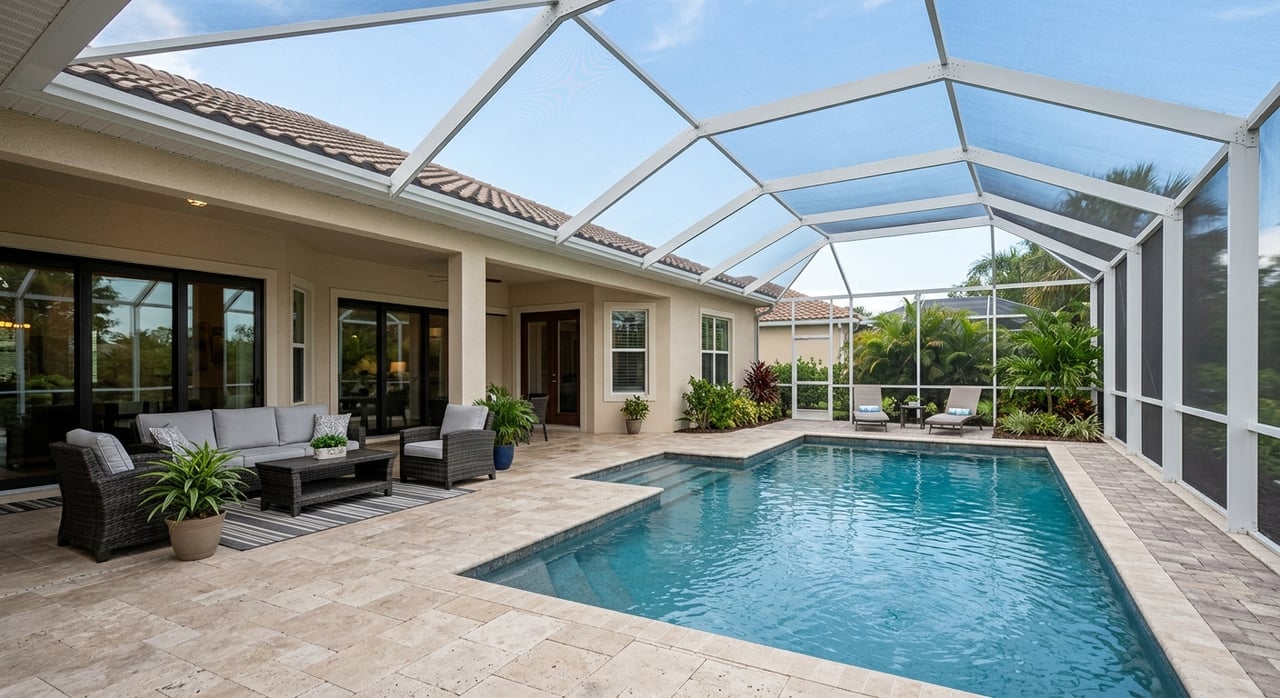
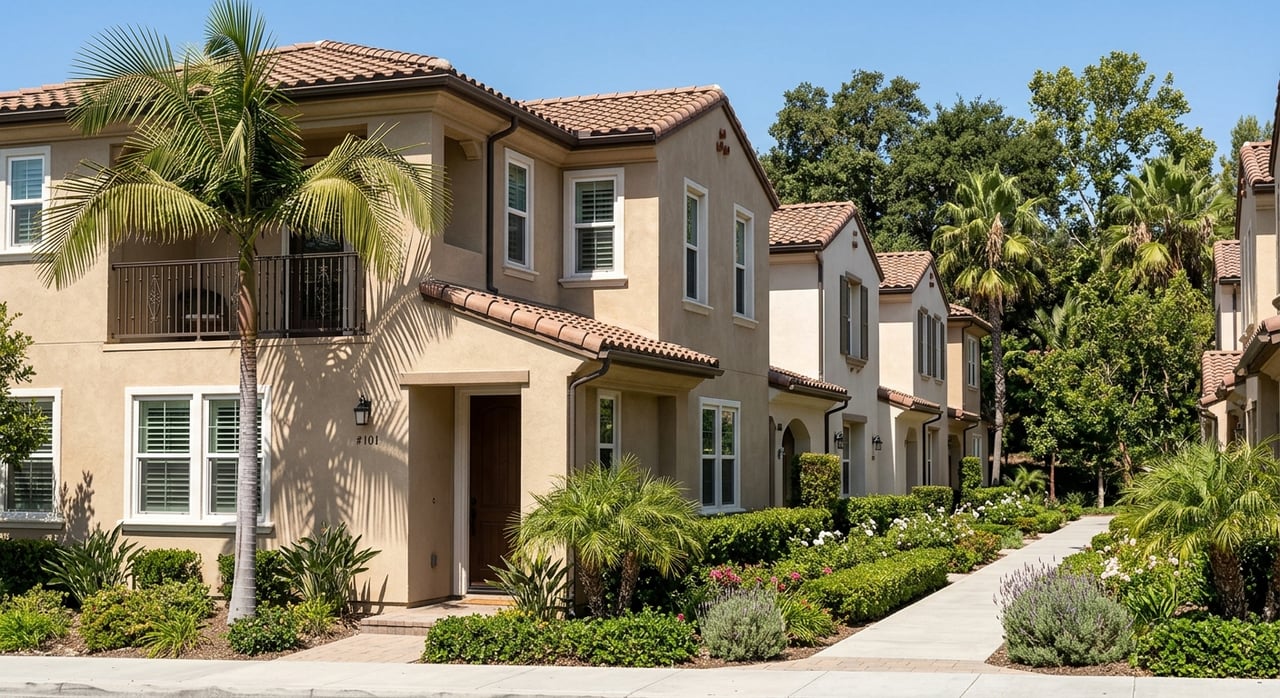
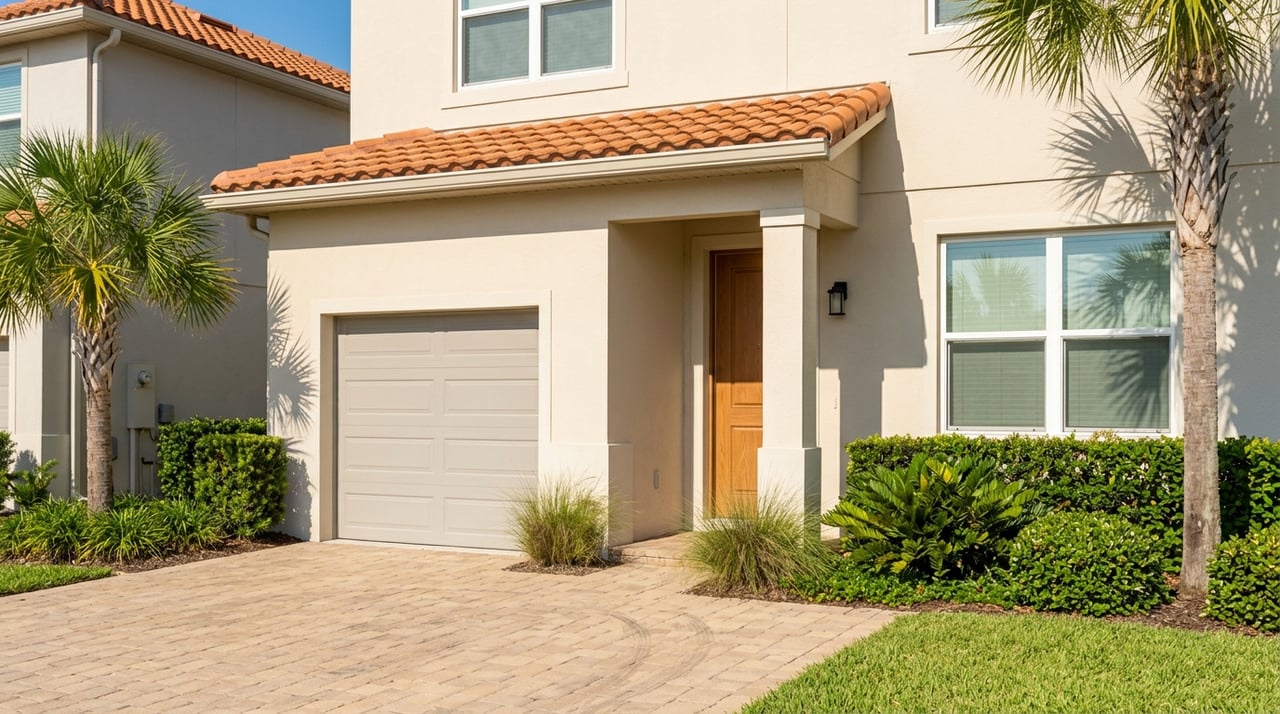
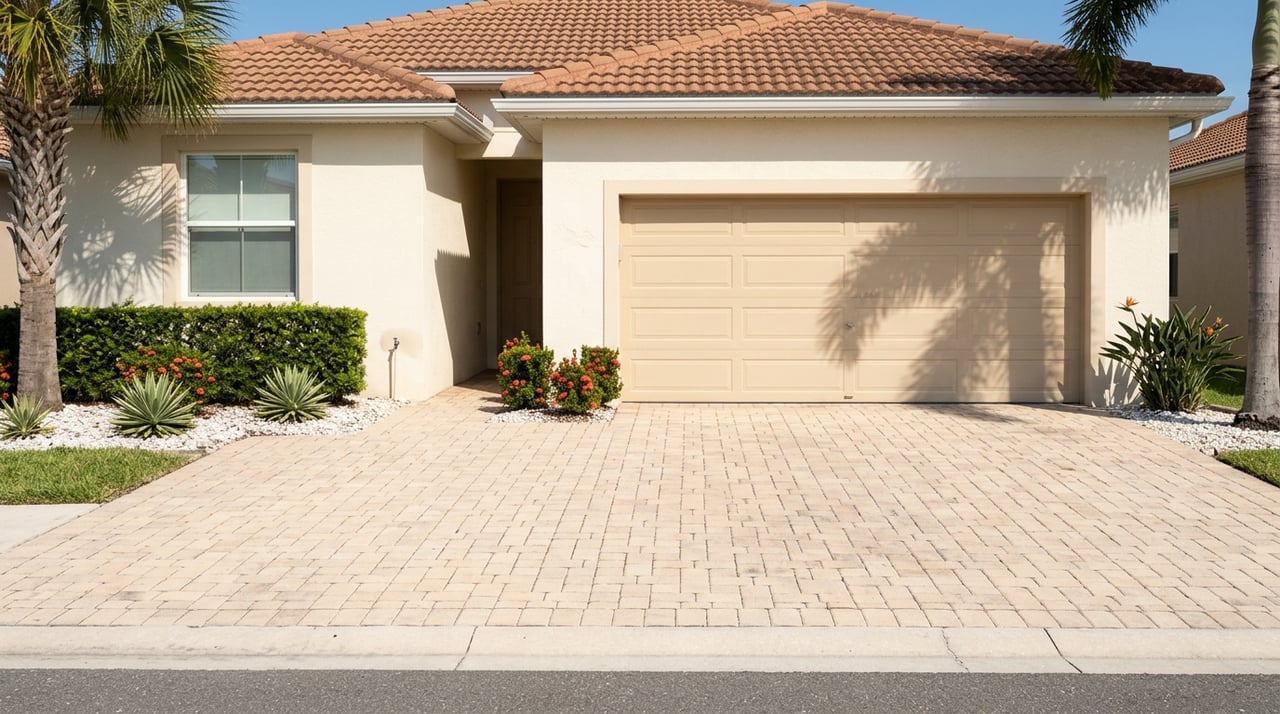
Single‑family neighborhoods in West Palm Beach and nearby suburbs deliver more indoor space and private outdoor areas. You handle your own exterior care, which adds time and cost, but you gain freedom for projects and personalization. If you plan a remodel, a house offers more flexibility.
Condo parking is typically assigned, with rules for guest spaces and limits on extra vehicles. Storage can be tight, even with lockers. Houses give you a driveway, garage, and room for tools, sports gear, and seasonal items.
Condos near the Brightline station, Tri‑Rail, and Palm Tran reduce car use and can shorten downtown commutes. Houses are more common farther from the core, which can be ideal if your job is in suburban corridors such as Boca Raton office parks. Consider access to Palm Beach International Airport and major highways when weighing tradeoffs.
Condos often come with a lower purchase price per unit in walkable areas, but monthly association dues add up. Those dues typically cover common‑area maintenance and building services. Houses may have a higher upfront price, with no or lower HOA fees, but you budget for your own yard care, pool service, and exterior repairs.
Condo or association fees often fund the master insurance policy for the building, exterior and common‑area maintenance, landscaping, elevator service, reserves, and sometimes utilities like water and cable or internet. Review the budget to see what is included and whether reserves are being funded. Ask about any scheduled increases.
With a house, you pay for roof upkeep, landscaping, pest control, pool service if applicable, and all systems. In some deed‑restricted communities, an HOA may provide limited exterior services or shared amenities. Compare these out‑of‑pocket costs to typical condo dues when you evaluate monthly affordability.
Two insurance buckets matter here: wind or hurricane coverage and flood insurance. Lenders require flood insurance if a property sits in a FEMA Special Flood Hazard Area. Many condos carry a master policy for the building and, in some cases, a master flood policy for common elements. As a condo owner, you still need an HO‑6 policy for interior finishes and personal property, and you should understand hurricane deductibles, which are often a percentage of the policy limit.
Since the 2021 Surfside collapse, insurers and lenders scrutinize older or structurally deficient buildings more closely. Expect requests for engineering reports, reserve studies, and proof of adequate maintenance. For houses, insurers assess roof condition, wind mitigation features, and location relative to flood zones.
Many conventional, FHA, and VA loans require the condo project to meet specific approval standards. Lenders review association financials, budgets, insurance, reserves, and owner‑occupancy ratios. Some buildings, especially older ones or those with high investor concentration, may face tighter underwriting or higher down payments.
Single‑family homes follow standard underwriting with fewer project‑level restrictions. FHA and VA options are often more accessible. If you plan to renovate, discuss loan products that suit your timeline and budget.
Florida’s homestead exemption, up to $50,000 for a primary residence, applies to condos and houses when owner‑occupied and properly filed. This can reduce your property tax burden. Check the Palm Beach County Property Appraiser for parcel data and local millage details when you evaluate neighborhoods.
Short‑term rental policies vary by building and by municipality within Palm Beach County. Many condos restrict short stays through minimum lease terms. The City of West Palm Beach and Palm Beach County may require registrations or set local standards for rentals. Verify current ordinances and association policies before you purchase if rental income is part of your plan.
If you prize convenience, amenities, and a simple lock‑and‑leave setup, a condo in or near downtown West Palm Beach can be a great fit. If you want a yard, more storage, and control over exterior changes, a single‑family home will likely serve you better. Either way, your choice should reflect your daily routine, budget, and risk comfort, especially with insurance and potential assessments.
When you are ready to compare specific buildings and neighborhoods, align financing, and review association or inspection documents, connect with a local advisor who knows the terrain and can help you negotiate the right terms. For tailored guidance in Palm Beach County, reach out to Amie Calia to map your next move with confidence.
Stay up to date on the latest real estate trends.
Get assistance in determining current property value, crafting a competitive offer, writing and negotiating a contract, and much more. Let me guide you through your home-buying journey.