Loxahatchee Groves Hurricane Upgrades That Add Value
December 11, 2025
December 11, 2025
Hurricane season is a fact of life in Palm Beach County. If you live or plan to sell in Loxahatchee Groves, buyers are looking for homes that can handle wind, rain, and power outages without drama. The right upgrades not only protect your home, they can also improve marketability and help with insurance. In this guide, you’ll learn which storm-ready improvements matter most, how to document them, and what to expect with permits and insurance. Let’s dive in.
Loxahatchee Groves sits inland, but you still face severe wind and heavy rainfall from Atlantic and Gulf storms. To track risk and seasonal trends, start with the National Hurricane Center for storm guidance and updates. Flood exposure can vary widely by parcel, so check your specific address on the FEMA Flood Map Service Center.
County planning and preparedness resources can help you understand local conditions and plan upgrades. For hazard information and readiness tips, review Palm Beach County Emergency Management. Buyers, lenders, and insurers weigh resilience, documentation, and recent improvements when assessing a property in our market.
A strong roof is priority one. If your roof is near end of life or not up to current Florida wind standards, plan a replacement that meets the Florida Building Code. Ask your contractor about proper nailing patterns, underlayment, and roof-to-wall connections like straps and clips.
Add a secondary water barrier when you reroof. It reduces interior water damage if shingles are lost in a storm. Keep permits, inspection results, and product warranties. A wind mitigation inspection report can help capture insurance credits and reassure buyers.
Impact-rated windows and doors, or professionally rated shutters, keep wind-driven debris out and maintain your home’s pressure balance. This is a top buyer concern. Reinforce or replace the garage door with a wind-rated model, since garage failure can lead to major roof damage.
Retain product approvals and installation invoices. These documents matter to insurers and can smooth underwriting for buyers.
Elevate mechanicals if flood risk exists. Moving HVAC condensers, electrical panels, and water heaters above expected flood levels reduces potential loss and downtime after a storm.
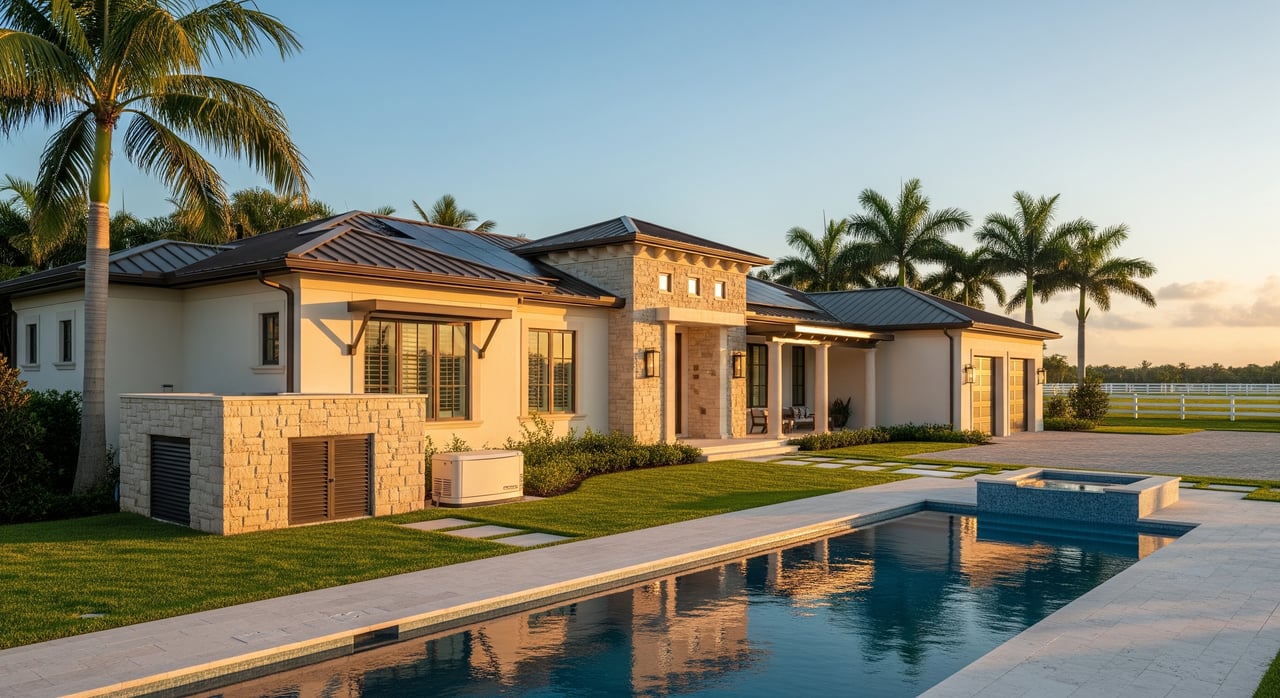
Install whole-house surge protection to safeguard appliances and electronics during lightning and grid surges. Consider a standby generator tied to natural gas or propane, or a portable generator with a transfer switch. Permanent systems are more attractive at resale because they are safer and simpler to operate.
Address grading so water flows away from the home. Use swales, French drains, or permeable pavers to manage heavy rainfall. In flood-prone areas, engineered foundation flood vents can reduce structural pressure during high water events. Elevating living space is the most protective but is usually practical only in major remodels.
Remove hazardous trees that threaten structures and prune to maintain healthy, wind-resistant canopies. Tighten up vulnerable overhangs and use impact-rated screening for lanais where feasible. Buyers notice low-risk, well-maintained landscapes.
Most structural upgrades require permits, including roofs, windows, doors, generators, and mechanical relocations. Confirm requirements with the Palm Beach County Building Division and keep copies of permits, final inspections, and warranties.
Work with licensed Florida contractors who know the current code. You can review statewide code resources through the Florida Building Commission. For recognized resilience standards, consider the Insurance Institute for Business & Home Safety’s FORTIFIED Home programs when planning significant roof or envelope projects. Certification and inspection reports are useful at sale.
Insurance carriers often provide premium credits for documented wind mitigation features and impact-rated openings. For flood insurance details, review consumer guidance from the National Flood Insurance Program. Keep all invoices and inspection reports so your agent can apply any available credits.
Programs change over time, but it is worth checking for grants or local initiatives that support mitigation. The Florida Division of Emergency Management lists updates and resources on mitigation programs at the state level. Start with the division’s Mitigation page and follow links to current offerings. Federally, communities may access FEMA mitigation grants through local channels, especially after disaster declarations.
Use this quick plan to maximize value and reduce friction during underwriting and appraisal.
Package your paperwork for buyers, appraisers, and insurers.
If you are shopping in Loxahatchee Groves, use a simple due diligence routine.
In Palm Beach County, buyers and insurers look for evidence that a home can withstand wind, rain, and outages. Roof condition, impact openings, and documented mechanical and electrical protections are the big levers. When you pair the right upgrades with clean documentation, you reduce risk for the next owner, speed up underwriting, and support your appraisal.
Ready to plan smart, cost-effective improvements before you list? Let’s talk about what will matter most in your price bracket and neighborhood. If you want full-service listing representation that helps you keep more of your equity, connect with Amie Calia today.
Stay up to date on the latest real estate trends.
Get assistance in determining current property value, crafting a competitive offer, writing and negotiating a contract, and much more. Let me guide you through your home-buying journey.