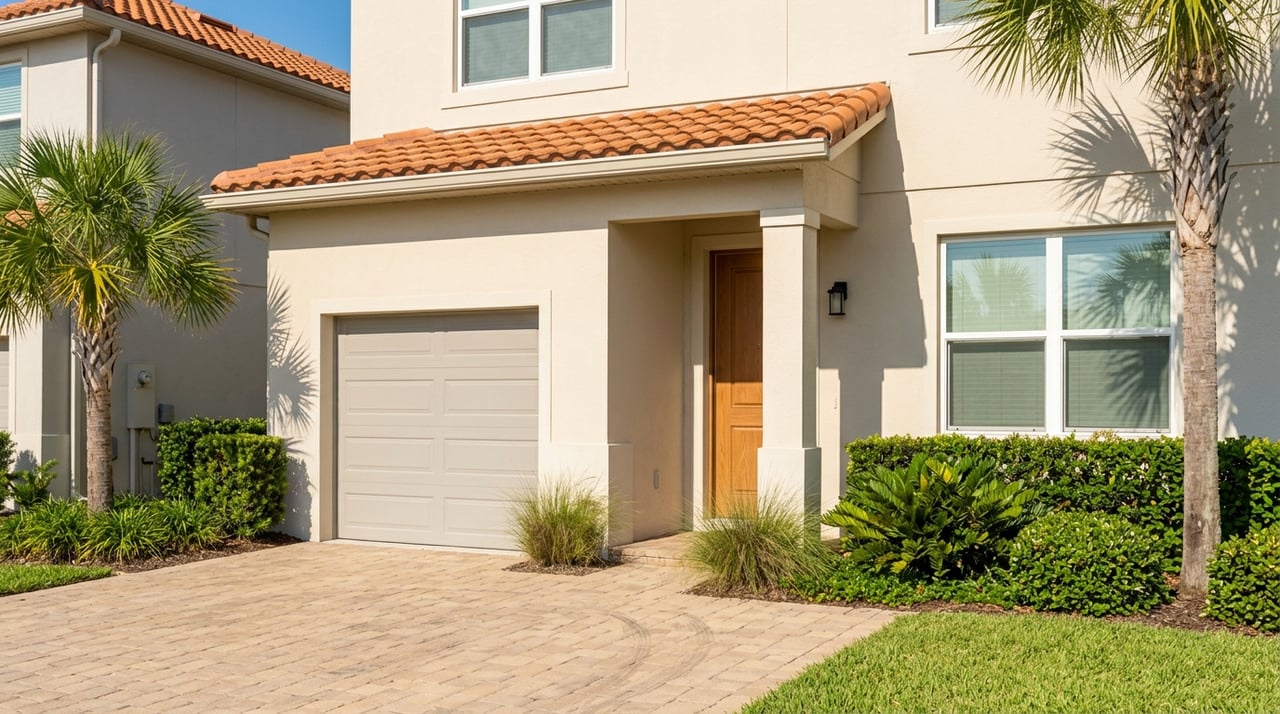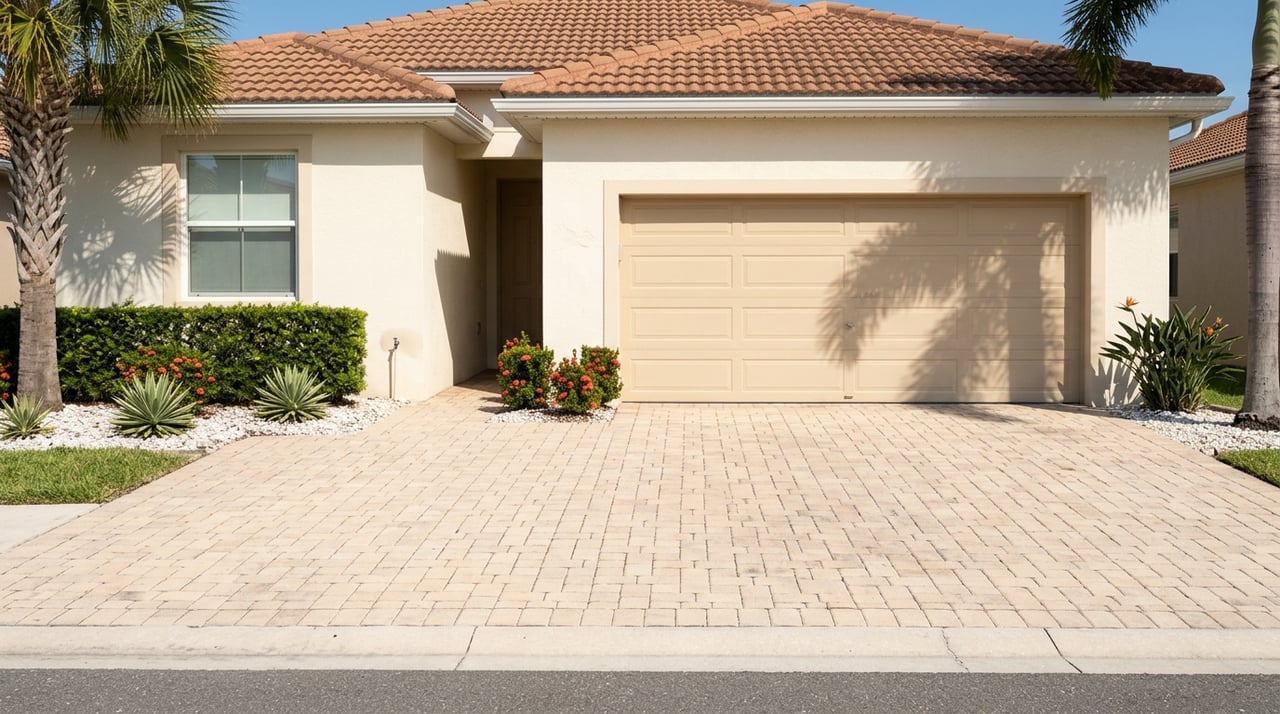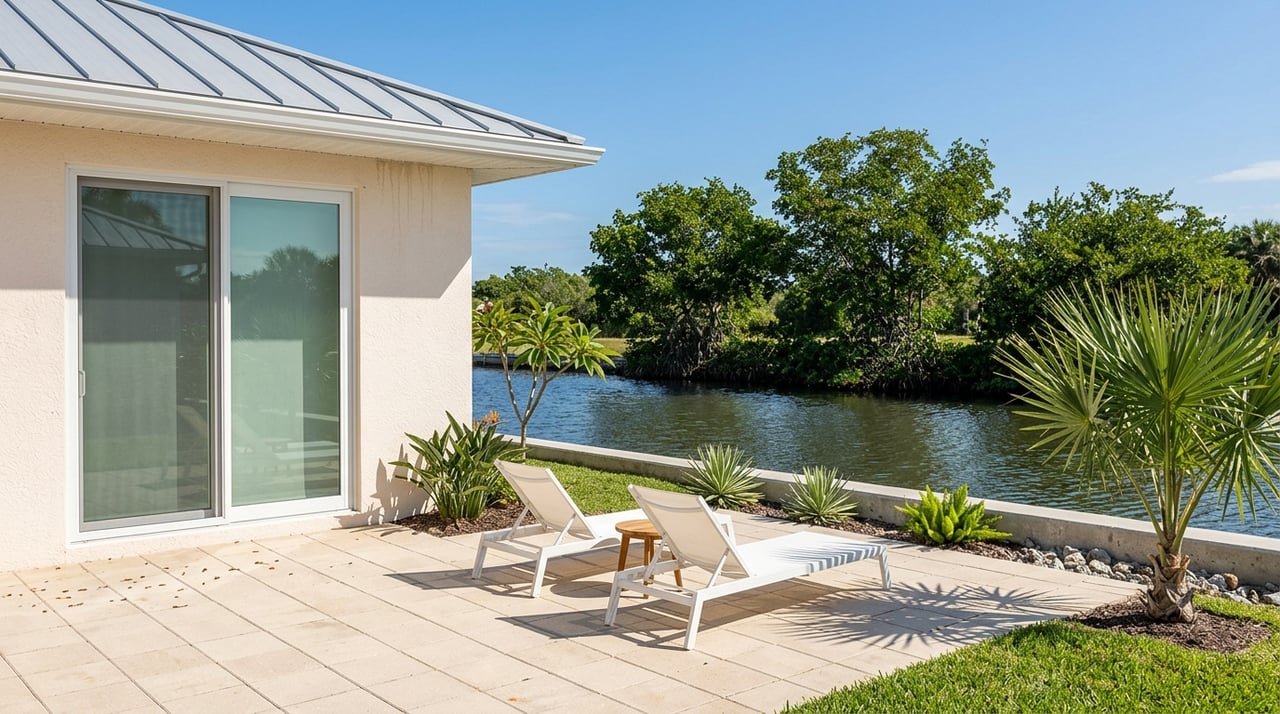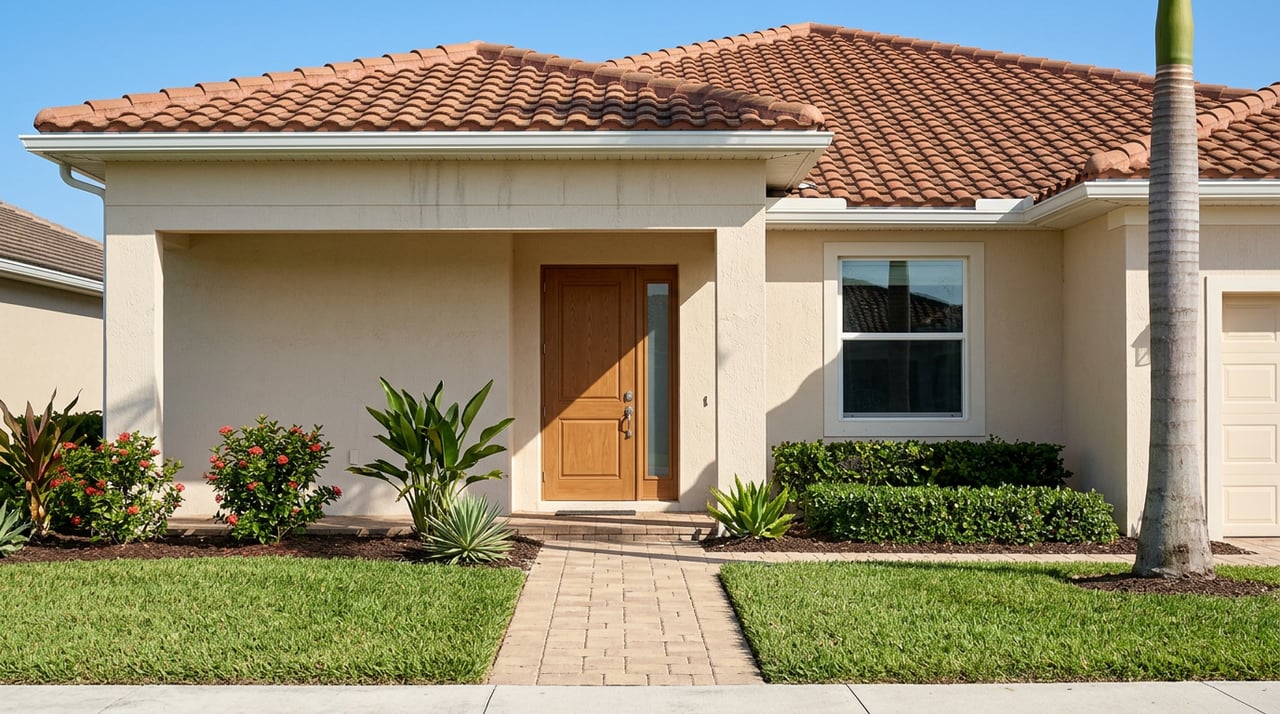
Thinking about buying in Royal Palm Beach and seeing “HOA” on nearly every listing? You are not alone. Most planned communities here use associations to manage amenities, maintenance, and standards. The good news is you can shop with confidence once you understand how HOAs work, what Florida law requires, and how to do smart due diligence. This guide breaks it down in plain language and gives you a checklist you can use before you make an offer. Let’s dive in.
HOAs vs. condos in Royal Palm Beach
Royal Palm Beach has a mix of single-family neighborhoods with homeowners’ associations, townhome communities, and condominiums. You will also find a smaller number of cooperatives. Each type follows different Florida laws and has different budgets, reserves, and insurance responsibilities.
- Homeowners’ associations are typically governed by Chapter 720 of Florida Statutes.
- Condominiums are governed by Chapter 718.
- Cooperatives are governed by Chapter 719.
Knowing which chapter applies matters. It affects what the association pays for, how meetings and elections work, what records you can access, and your insurance. Ask which statute applies as soon as you identify a property.
What Florida law requires
Florida law sets baseline rules for how associations operate. You have rights to see certain records, attend properly noticed meetings, and expect fair election procedures. Associations must keep minutes and financials, and they have defined processes for budgets and rulemaking.
Associations also have real enforcement powers. They can levy assessments and fines, and they can place a lien for unpaid assessments that can lead to foreclosure if not addressed. That is why it is important to verify fee amounts and the association’s financial health before you close.
At the local level, the Village of Royal Palm Beach manages municipal ordinances, permitting, and code enforcement. Those rules do not replace private HOA or condo covenants. Private covenants control most property-use and architectural standards inside the community. If there is a conflict, the association’s governing documents are usually the deciding factor for community rules, while the village handles public health and safety.
Fees and what they usually cover
Expect associations to bill one or more of the following. Amounts vary by community size, amenities, and property type.
- Regular assessments. Billed monthly, quarterly, or annually. These often cover landscaping for common areas, common utilities, pools and fitness centers, security, management, insurance for common elements, and reserves.
- Special assessments. One-time charges used for capital projects, major repairs, or emergencies when reserves are not enough.
- Transfer, application, and document fees. These may appear at resale for approvals or to prepare required documents.
Condo fees are often higher because the association may insure and maintain the building’s exterior and major components. Single-family HOAs can be lower, but they vary with amenities and contracted services. Review the budget to understand exactly what you are paying for.
Reserves and reserve studies
Healthy reserves are your best protection against surprise special assessments. Ask for the most recent reserve study, the current reserve balances, and the association’s reserve funding policy. A thin reserve or no plan to fund future replacements is a red flag.
Budgets and financial statements
Request the current budget and at least 12 to 24 months of financials. Audited or compiled financials are stronger than unaudited statements. Look for consistent reserve contributions, realistic operating expenses, and a dues level that matches services. Repeated shortfalls can mean future increases or special assessments.
Master insurance and your policy
Insurance responsibilities depend on the type of community and the association’s master policy.
- In most condominiums, the association carries a master property policy that covers the structure and common elements. Unit owners typically carry an HO-6 policy that covers interior improvements, personal property, liability, and loss assessment coverage.
- In single-family HOAs, owners often insure their own structures. The association may carry liability and coverage for shared elements, but not your home. Confirm who insures roofs, exterior walls, and other components.
Lenders will require proof of adequate hazard insurance and may have minimum standards for the association’s master policy. In South Florida, also confirm windstorm and hurricane deductibles and whether any recent claims or policy lapses exist.
Buyer due diligence checklist
Build time into your contract to review documents and walk away if the association’s condition or restrictions do not fit your plans. Use this checklist during your contingency period.
Confirm the association type
- Verify whether the property is in an HOA, condominium, or cooperative.
- Identify the governing statute chapter. This affects your rights and obligations.
Request core governing documents
- Declaration of covenants or condo declaration
- Bylaws and articles of incorporation
- Current rules and regulations, including pet, rental, and architectural guidelines
Review the financial picture
- Current budget and at least 12–24 months of financial statements
- Reserve study, reserve balances, and reserve funding policy
- Assessment history and any planned or pending special assessments
Check operations and governance
- Board and membership meeting minutes for the past 12–24 months
- Management agreement if a professional manager is used
- Election procedures and recent board turnover
Verify insurance and risk
- Master insurance policy, including windstorm and hurricane deductibles
- What the master policy covers versus what you must insure
- Claim history and any recent coverage changes
Confirm status and closing items
- Estoppel letter or resale certificate with current assessment amounts and any delinquencies
- Pending violations, fines, or architectural issues tied to the property
- Any capital projects planned or approved
- Litigation history or active disputes
What to look for and avoid
- Repeated special assessments or recent big dues increases
- Minimal or negative reserves and no plan to fix it
- Aggressive enforcement patterns or frequent litigation
- Restrictions that do not fit your plans, like rental caps or pet limits
Contract tips that protect you
Give yourself the right to review and, if needed, cancel.
- Include a clear document-review contingency with a firm deadline.
- State that you may cancel and recover your deposit if documents reveal unacceptable issues such as inadequate reserves, significant restrictions, pending special assessments, or substantial litigation.
- Require an up-to-date estoppel or resale certificate before closing.
- Ask a local real estate attorney to help interpret complex provisions, insurance obligations, and enforcement clauses.
Estoppels and why they matter
An estoppel or resale certificate is the association’s official statement of what is owed, the current assessment amounts, and any pending special assessments or delinquencies. Lenders and closing agents rely on it to clear title and confirm final payoffs. Florida law sets how quickly associations must provide certain information, so write a contract timeline that gives enough room for the association’s response.
Local watchouts in Royal Palm Beach
Royal Palm Beach communities range from small subdivisions with modest services to master-planned neighborhoods with pools, gyms, and gated security. Expect variation in dues and governance.
- Short-term rentals. Palm Beach County and some municipalities have specific rental rules. Associations may adopt stricter limits. Review minimum lease terms, caps, and registration steps.
- Windstorm and hurricanes. Verify windstorm coverage, deductibles, and any recent claims. Strong master coverage and clear owner requirements are key in our region.
- Flood risk. Flood zones vary by parcel. Lenders may require flood insurance even if your association carries a master policy.
- Village versus covenants. Municipal code sets broad community standards, but your day-to-day living rules usually come from the association’s covenants and guidelines.
Red flags that deserve a closer look
- Repeated large special assessments in recent years
- Low or negative reserves with no funding plan
- Pending material litigation or a pattern of insurance claims
- Frequent board turnover and poor record transparency
- Excessive fines or aggressive enforcement history
- Ambiguous master insurance coverage or very high deductibles
- Restrictions that conflict with your intended use
How your agent helps you buy with confidence
A skilled local agent helps you spot the difference between a well-run association and one that may cost you more over time. You should expect support coordinating document requests, reading budgets at a high level, flagging red flags, and lining up the right lender and insurance partners for our South Florida market. If you plan to sell a current home while you buy, you can also maximize your net with full-service listing marketing and a transparent, lower listing fee structure.
Ready to compare HOA communities or need help reviewing documents? Connect with Amie Calia for clear guidance, smart contract protections, and a smooth Palm Beach County closing.
FAQs
How do I confirm if a Royal Palm Beach home has an HOA?
- Check the listing details and ask for the governing documents. The title commitment during escrow will also show association status.
What does an HOA estoppel letter include for closing?
- It lists current assessments, fees due, any delinquencies, and pending special assessments so the lender and closing agent can finalize payoffs.
Can an HOA in Florida foreclose for unpaid dues?
- Yes. Associations can record a lien and, if unpaid, pursue foreclosure following Florida statutory procedures.
What insurance do I need in a condo versus an HOA?
- Condo owners usually carry an HO-6 policy for interiors, personal property, liability, and loss assessment. Single-family HOA owners typically need a full homeowner policy. Confirm master policy coverage.
How can I avoid surprise special assessments in Royal Palm Beach?
- Prioritize the reserve study, reserve balances, meeting minutes, and assessment history. If risk remains, negotiate protections such as seller-paid known assessments or credits at closing.
Do Royal Palm Beach associations limit rentals?
- Many set minimum lease terms or caps. Review the governing documents for rental rules and any registration steps before you buy.