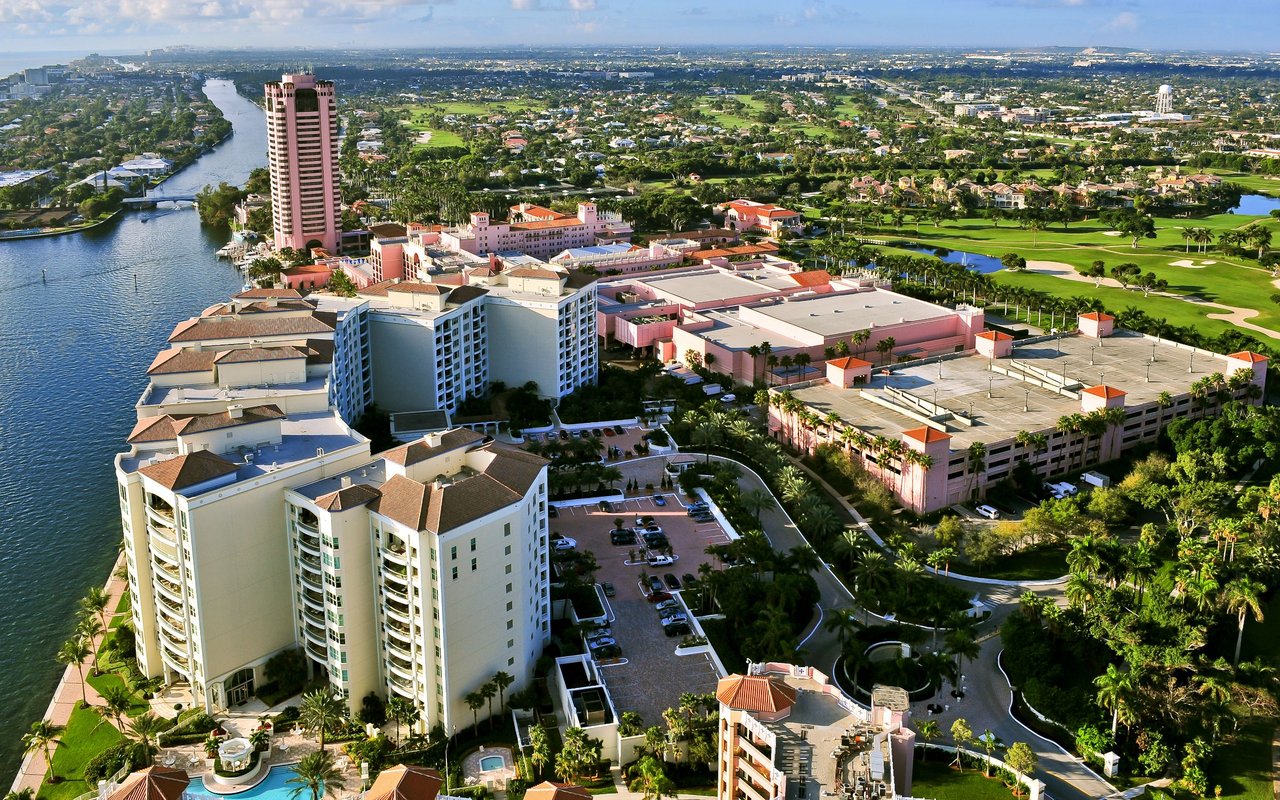
Discover the Best Time to Sell Your Boca Raton Home
December 18, 2025
December 18, 2025
Trying to time the Boca Raton market just right? You are not alone. When you sell can shape how quickly you go under contract and how strong your offers look. In this guide, you will learn how seasonality in South Florida really works, what matters more than the month on the calendar, and how to align your listing date with your goals. Let’s dive in.
Boca Raton does not follow the same pattern as many northern markets. Here, the winter and spring months often bring a surge of seasonal residents and second‑home shoppers. That extra buyer pool can mean more showings and better negotiating power for sellers.
Summer is different. Many seasonal buyers head north, but local families often prefer to move between school years. If your home fits year‑round living, you can still see solid demand with a smart pricing and marketing plan.
From roughly November through April, buyer activity rises with seasonal residents arriving from colder climates. Condos, second homes, and luxury or waterfront properties often see stronger interest during this window. If maximizing visibility is your top goal, having your home live on the market in this period can pay off.
Positioning matters. Listing in late fall lets you capture the wave of winter visitors. Quality photos, video, and broad online exposure help convert that attention into offers.
June through August can see fewer seasonal shoppers, but families often plan closings over summer to minimize school disruption. If your property appeals to year‑round residents, this can be a productive time. A competitive list price and quick-turn marketing can deliver speed without leaving money on the table.
September and October often move slower and overlap with peak hurricane activity. Showings and inspections can be disrupted by forecasts. If you do list in early fall, build flexibility into your schedule and make sure your home is storm‑ready.
Seasonality helps, but macro conditions often drive price and speed.
Check the latest 30 to 90 days of local data before you pick a date. Recent trends for Boca Raton and Palm Beach County provide a better guide than last year’s seasonal averages.
Different homes attract different buyers. Your timing should fit your likely buyer pool.
If your home appeals to local families, consider a timeline that targets summer closings. Many buyers want to move between school years. Listing in late spring can position you to accept an offer that closes in June or July.
If you prefer winter, you can still sell well. Aim for strong marketing and pricing that speaks to relocators and move‑up buyers in town for season.
Condos popular with seasonal residents often do best during winter and early spring. Prepare HOA documents early, and confirm approval timelines and any rental rules. Extra lender requirements for condos can extend closing times, so pad your schedule and set expectations up front.
Luxury properties typically have longer marketing periods and wider buyer pools that include out‑of‑state and international prospects. Winter exposure helps you capture seasonal traffic, but the right month is the one where your listing outshines the competition. Invest in high‑end visuals and flexible showing options to reach serious buyers.
Investor activity can be steady all year. These buyers respond to numbers: rents, carrying costs, and cap rates. If your home fits this niche, timing is flexible. Focus on clean financials, clear disclosures, and fast access for showings and inspections.
Every seller’s situation is different. Start with your objective, then back into a calendar that works.
Reverse‑engineer your listing day so your home launches looking its best.
T‑90 to T‑60 days
T‑60 to T‑30 days
T‑30 to T‑7 days
Hurricane season runs June through November. Avoid major deadlines during storm windows when possible. Add flexible language for showings and closing dates if a named storm threatens.
South Florida’s greenery shines year‑round, but summer rain can affect photo timing and lawn care. Plan exterior shoots in morning light and have a backup day. Keep entryways tidy and bright to maximize first impressions.
Getting timing right is powerful. Pair it with a pricing strategy and marketing plan that match your buyer. Professional HDR photos, aerials, and video can separate your home in a crowded season. Broad online distribution helps you reach seasonal visitors and local buyers quickly.
If you want to keep more of your equity without sacrificing service, a low listing fee can improve your net. With a 1.5% listing commission paired with full‑service production and hyperlocal strategy, you get premium presentation and smart exposure while keeping more of your proceeds.
Your best time to sell depends on your buyer type, your timeline, and today’s market data. Let’s build a plan that aligns all three so you launch with confidence and close on schedule. For a local timing strategy and a free pricing review, connect with Amie Calia.
Stay up to date on the latest real estate trends.
Get assistance in determining current property value, crafting a competitive offer, writing and negotiating a contract, and much more. Let me guide you through your home-buying journey.