Living in Loxahatchee Groves: What to Expect Day to Day
February 5, 2026
February 5, 2026
Craving more space and a quieter pace, but still want Palm Beach County convenience? If you picture life with room to roam, a barn or garden, and starry skies at night, Loxahatchee Groves may fit you well. In this guide, you’ll learn how daily life works here, from housing and acreage to utilities, commute patterns, and buyer due diligence. You’ll also get a clear checklist to help you decide if this rural lifestyle aligns with your goals. Let’s dive in.
Loxahatchee Groves is known for large parcels, low density, and a strong connection to equestrian and small-scale agricultural uses. You trade suburban sidewalks for private space, privacy, and flexibility on your land. The town’s rural roots show up in citrus, nursery, and farm heritage that still shapes how properties are used today.
The town is incorporated with its own municipal governance. Local land-use policies and ordinances are set at the town level in coordination with Palm Beach County. For the latest demographics and high-level context, you can review the broad snapshot in U.S. Census QuickFacts and the town’s municipal resources.
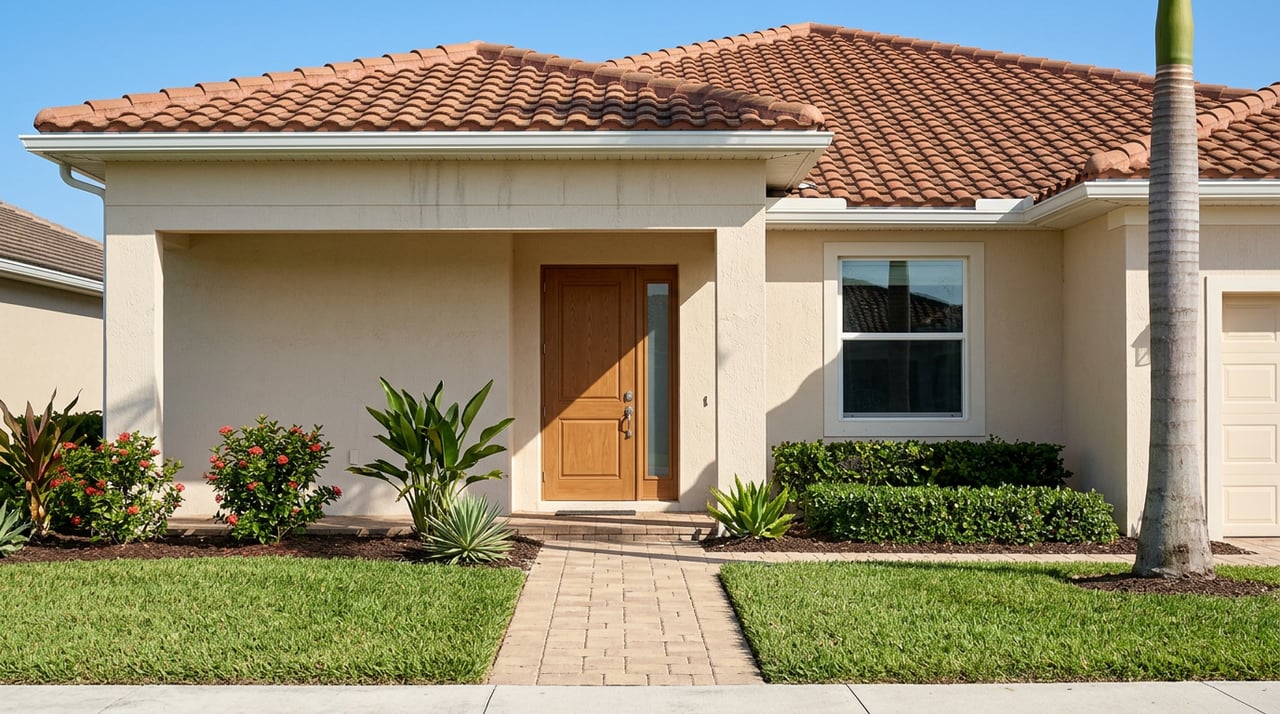
Most homes are single-family and detached. You’ll find everything from modest ranch houses on 1 to 2 acres to custom estates with barns and multiple outbuildings. Some parcels include manufactured or mobile homes, which can be appealing if you prioritize land over a large primary residence.
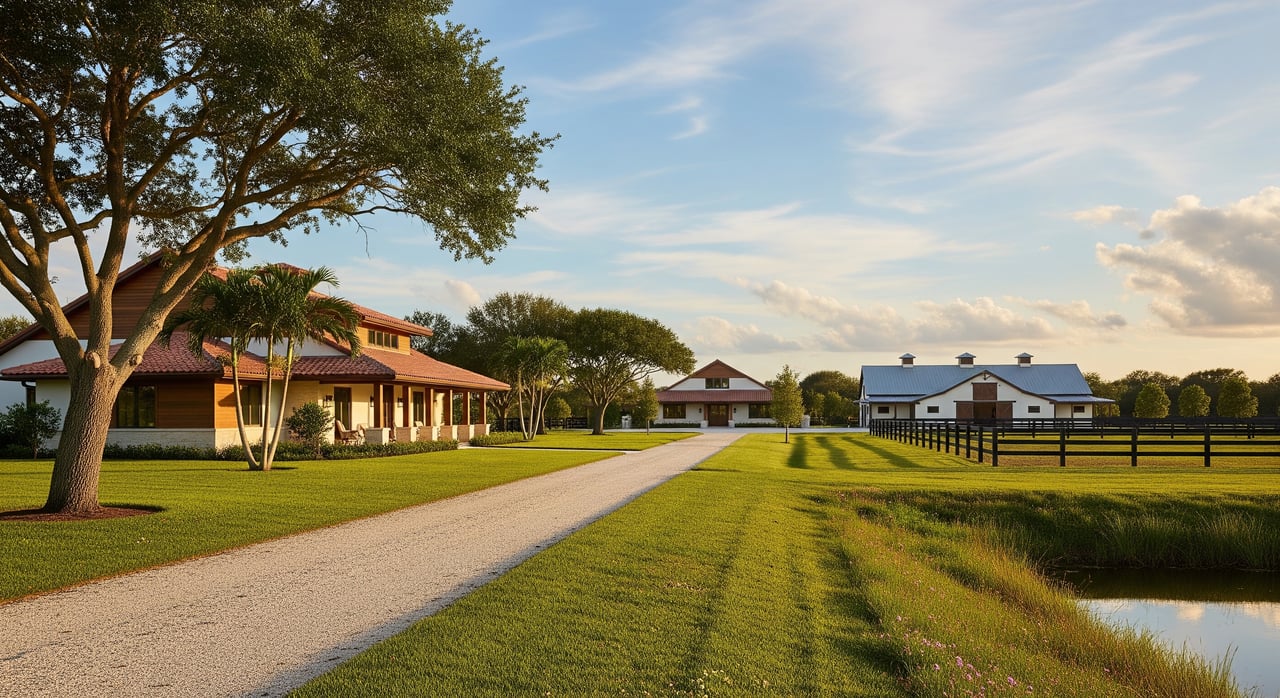
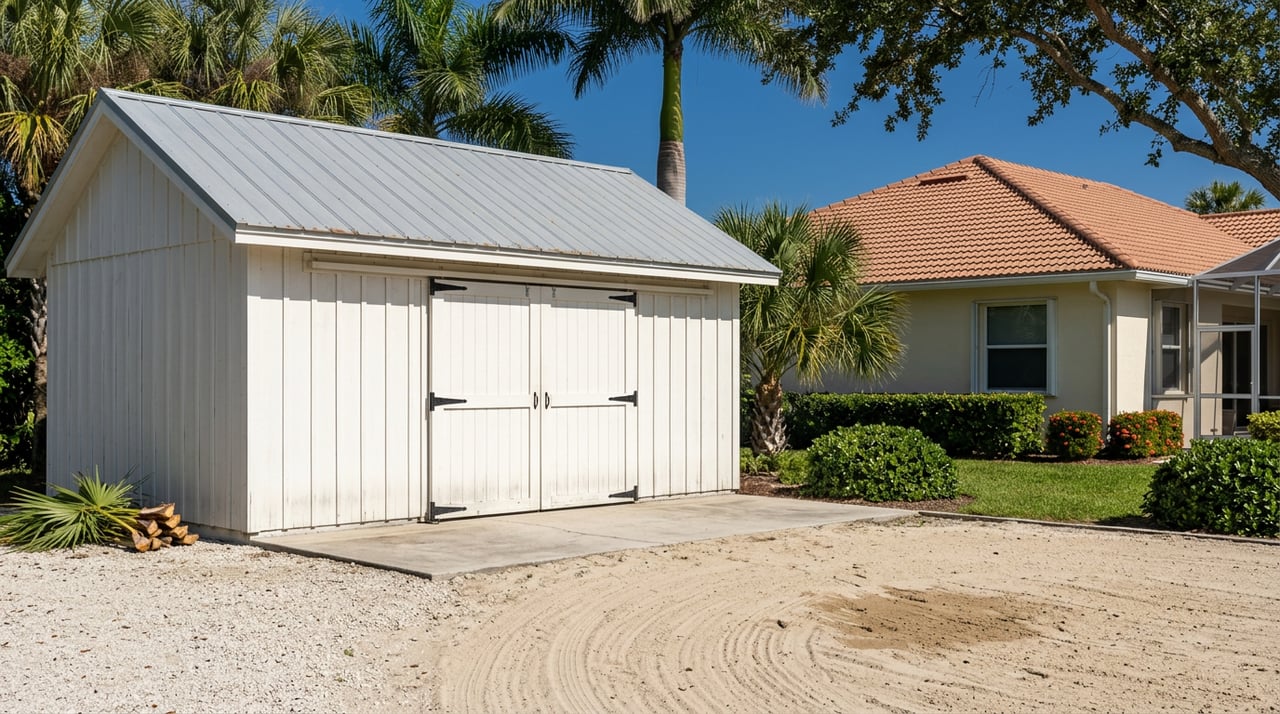
Equestrian life is a big draw. Many properties feature barns, fenced pastures, arenas, and nearby trail access. Small-scale agricultural uses are common too, including hobby farms, gardens, nurseries, and bee-keeping. If you plan to board horses or run any commercial activity, confirm allowed uses with the town’s zoning code and any deed restrictions.
HOAs are not universal. Some pockets may have covenants or gated entries, but much of Loxahatchee Groves does not sit under a town-wide HOA. Always confirm property-specific restrictions and recorded documents during due diligence.
Day to day, life feels quiet and spread out. Within the town, retail is limited, which helps preserve the rural vibe. For groceries, pharmacies, and a wider slate of restaurants, you will typically drive to adjacent areas like Royal Palm Beach and Wellington.
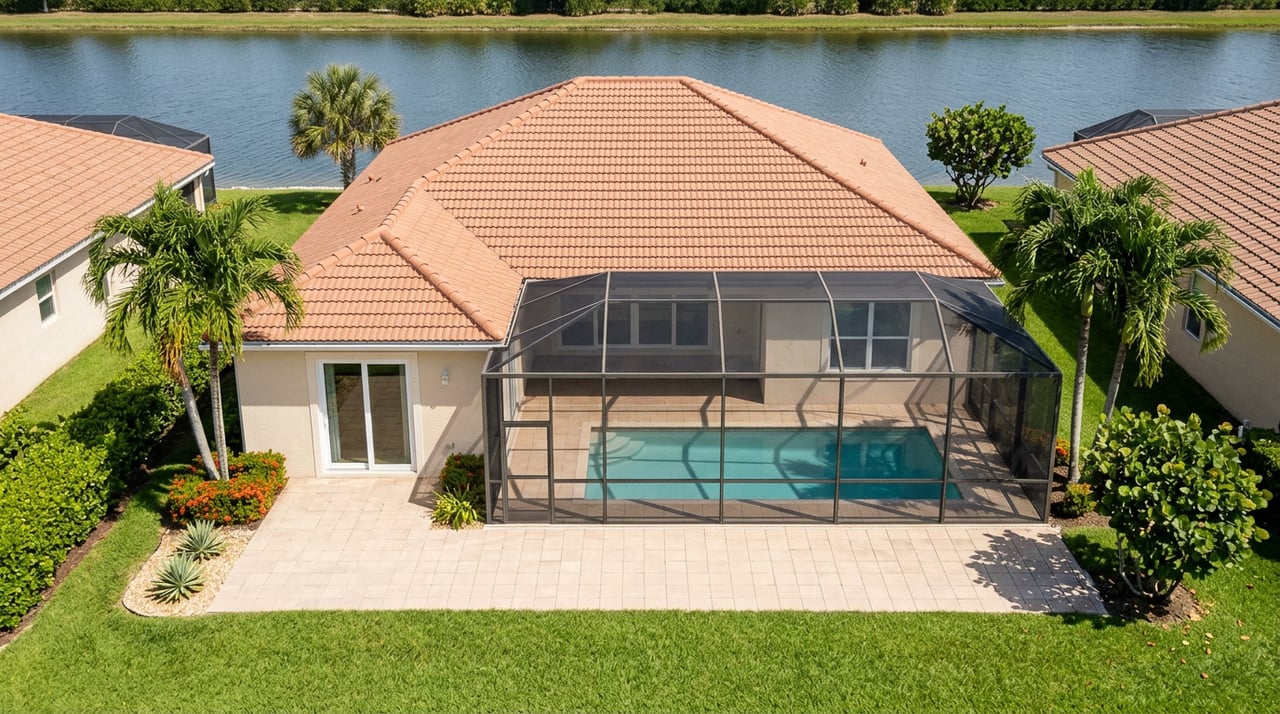
Weekend plans often center on outdoor time at home. Many residents focus on riding, backyard gardening, hobby farming, and spending time around a pool or workshop. County parks, equestrian centers, and waterways are within driving distance when you want a change of scenery.
Public schools here are part of the School District of Palm Beach County. Specific school assignments depend on your address and can change over time. Use the district’s resources to verify your address placement and to view current information through the Palm Beach County School District.
Private and specialized programs exist across western Palm Beach County. If an equestrian-friendly schedule or a particular curriculum matters to you, map options before you buy so transportation and daily routines fit your family.
You get a rural lifestyle without being isolated from the broader metro. Commute times vary by destination and time of day, so it is smart to run a few route tests during your typical travel windows. Many residents use SR 7 (US 441) and State Road 80 for east-west or north-south trips, with Florida’s Turnpike and I-95 available further east for regional travel.
If you travel often to downtown West Palm Beach, the beaches, or the airports, expect drives that depend on traffic patterns. Plan ahead with realistic time buffers, especially during season and peak hours.
Utility setups vary by parcel. Many properties rely on private wells for water and septic systems for wastewater, though some areas may have access to county water or central sewer. During inspections, budget time for a thorough septic evaluation and a well water test for bacteria, nitrates, and other contaminants.
Internet and cellular coverage can be mixed on rural lots. Some addresses have cable, fiber, or DSL, while others use fixed wireless or satellite. Verify provider options and typical speeds at the exact address before you make an offer.
South Florida faces seasonal storms, heavy rain, and hurricane exposure. Flood risk varies by parcel and elevation, and some properties may lie within FEMA-designated flood zones. Before you move forward, check site-specific flood maps through the FEMA Flood Map Service Center and request insurance quotes tailored to the property.
Hurricane coverage and windstorm endorsements can affect your carrying costs. For updates on storm season and preparedness, keep an eye on the National Weather Service. Build an insurance plan that fits your home’s features and your tolerance for risk.
Property taxes are driven by assessed value, millage rates, classification, and exemptions. Some agricultural classifications may influence your bill, so confirm eligibility with county sources. For parcel specifics, assessed values, and past sales, you can review the Palm Beach County Property Appraiser.
If you plan to add a barn, arena, accessory dwelling, or fencing, expect permits and specific setback standards. Check permit histories for existing outbuildings and confirm what is allowed on your zoning district before you commit to a build. Good pre-planning prevents costly corrections after closing.
If you value space, privacy, and room for animals or large hobbies, this town delivers. You set your own pace and use your land the way you want within local rules. Many buyers view the longer drives as a fair trade for acreage and flexibility.
If you prefer walkable retail, frequent dining out, or minimal home and land maintenance, you may find the rural format less convenient. That is okay. The goal is to match your lifestyle with the right daily routine and property demands.
Use this quick list as you evaluate properties:
Start with your must-haves on land use and location. Decide how many acres you need, which roads you prefer for daily driving, and what improvements matter most, like a barn or pool. Then set your budget with realistic allowances for maintenance and insurance.
When you tour, look beyond the home. Walk the fences, check drainage patterns after rain, and inspect outbuildings for structural soundness. The right property should fit your routines on day one and support your future plans with clear permitting paths.
Rural and equestrian properties are unique. You want a guide who understands wells and septic, barn and arena permitting, flood and wind coverage, and how to price land improvements. If you are selling, you also want strong marketing that showcases acreage and lifestyle to the right buyer pool.
If you are considering a move in or out of Loxahatchee Groves, connect with Amie Calia for local guidance. You get boutique, full-service representation, professional marketing, and a clear fee structure with a 1.5 percent listing commission. Ready to learn what buyers will pay for your property or to find acreage that fits your goals? Reach out for a strategy session today.
Stay up to date on the latest real estate trends.
Get assistance in determining current property value, crafting a competitive offer, writing and negotiating a contract, and much more. Let me guide you through your home-buying journey.